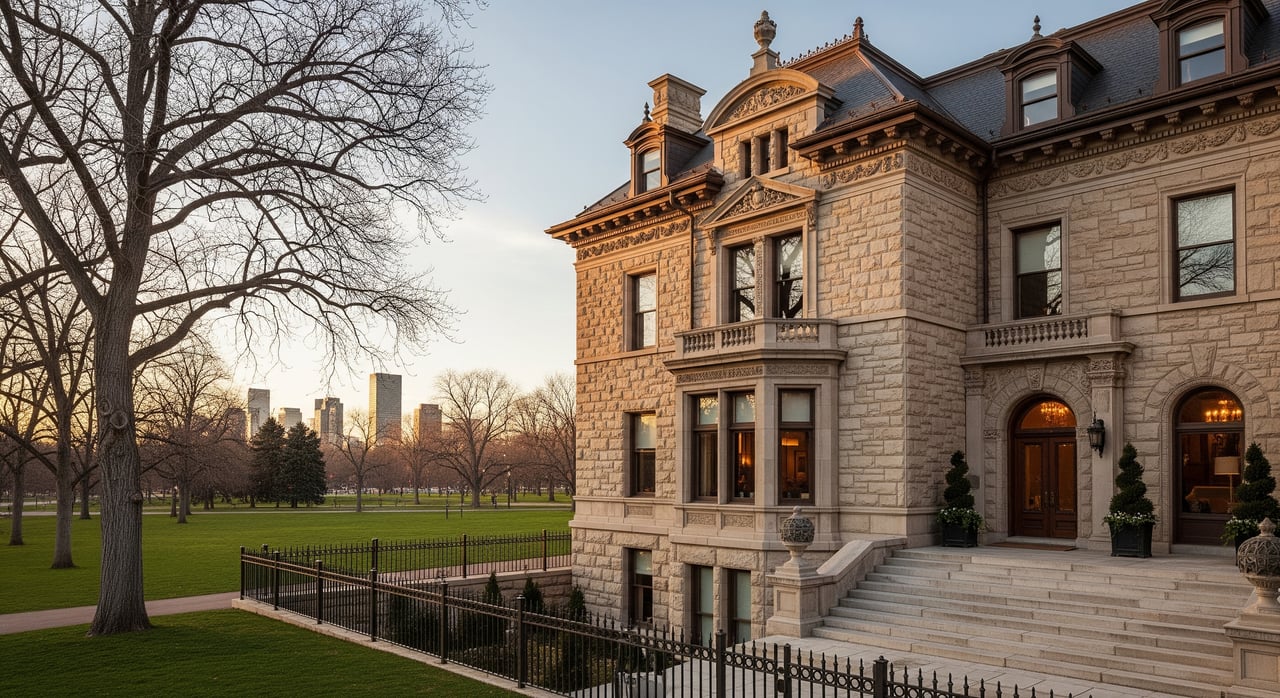
Is it possible for two homes on the same block to sell very differently? In Cheesman Park, the answer is often yes. When you are shopping or preparing to sell at the upper end, small details like park views, floor level, and renovation quality can shift value and negotiation power in a big way. In this guide, you will learn how to read the micro‑trends that move prices, so you can time your move, set expectations, and act with confidence. Let’s dive in.
Define “luxury” by product type
Segment, do not use one price line
In Cheesman Park, “luxury” spans park‑front historic single‑family homes, renovated townhouses, large units in converted historic buildings, and newer boutique condos. Lumping them into one price tier hides important differences. You will get better answers when you segment by property type, view, and renovation level.
Why sample size matters here
Cheesman Park is compact and transaction counts are small. One trophy mansion or penthouse can skew the numbers. When you look at any metric, check the time window, sample size, and whether outliers were excluded. Rolling 12 to 24‑month views are more reliable than a single month.
Key metrics that move prices
List‑to‑sale price ratio
This ratio compares the final sale price to either the original or last list price. Above 100 percent signals strong competition. In the luxury segment, scores above 100 percent are less common, and premiums tend to show up on exceptional, best‑in‑class properties. Ratios below about 98 to 99 percent can indicate buyer leverage or initial overpricing. Always note whether the ratio uses original or last list and how many sales it includes.
Days on market
Luxury listings often sit longer because the buyer pool is smaller and tastes are specific. Median days on market tends to be more helpful than the average since a few long‑sitting listings can distort the picture. Expect faster movement in spring and early summer, with winter bringing fewer listings but still‑serious buyers.
Price per square foot
PPSF works best when you compare like with like. Use it to compare condos to condos, or historic homes to similar historic homes. Historic square footage can be measured inconsistently, and finished lower levels or unique spaces may not be counted the same way. For cleaner reads, segment by property type, view, and building vintage, and focus on medians and percentiles rather than a single average.
Local drivers of value
Park frontage and views
Direct park frontage and higher‑floor views are consistent value drivers for both houses and condos. Buyers prize the green space, light, and walkability. Adjacency to nearby corridors like Capitol Hill, Congress Park, and Cherry Creek expands the buyer pool and comp set.
Architecture and renovation level
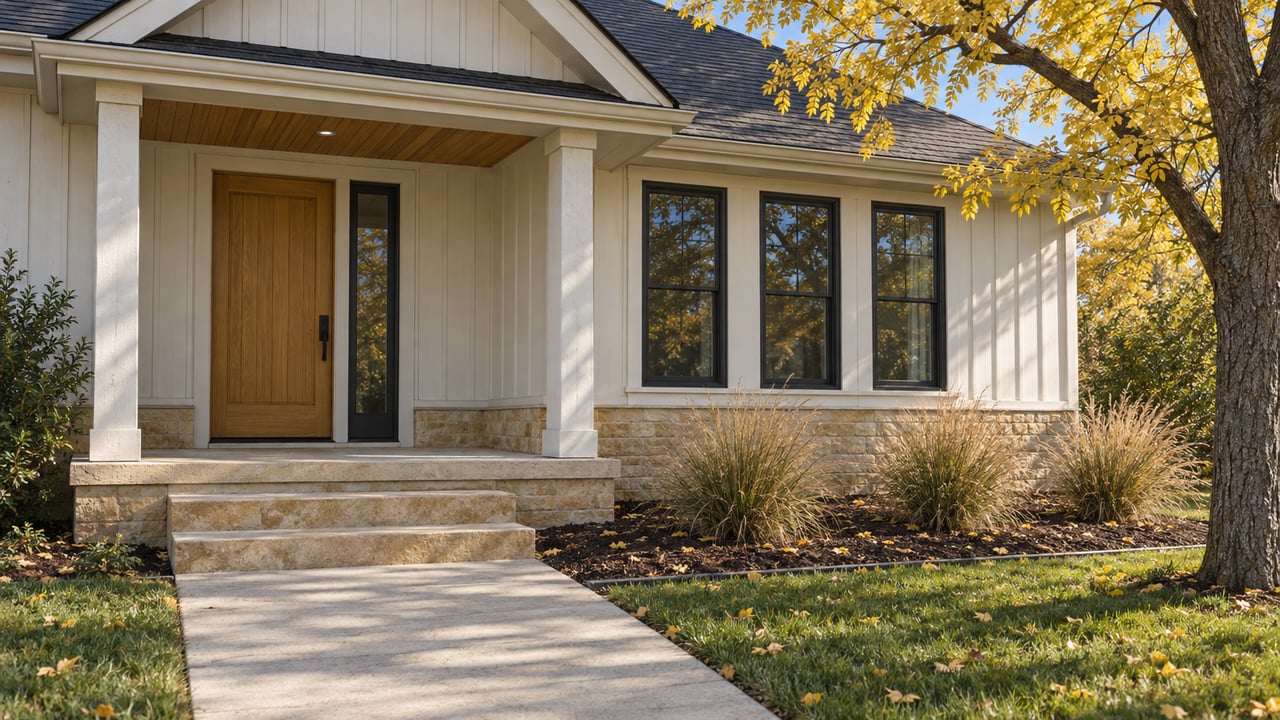
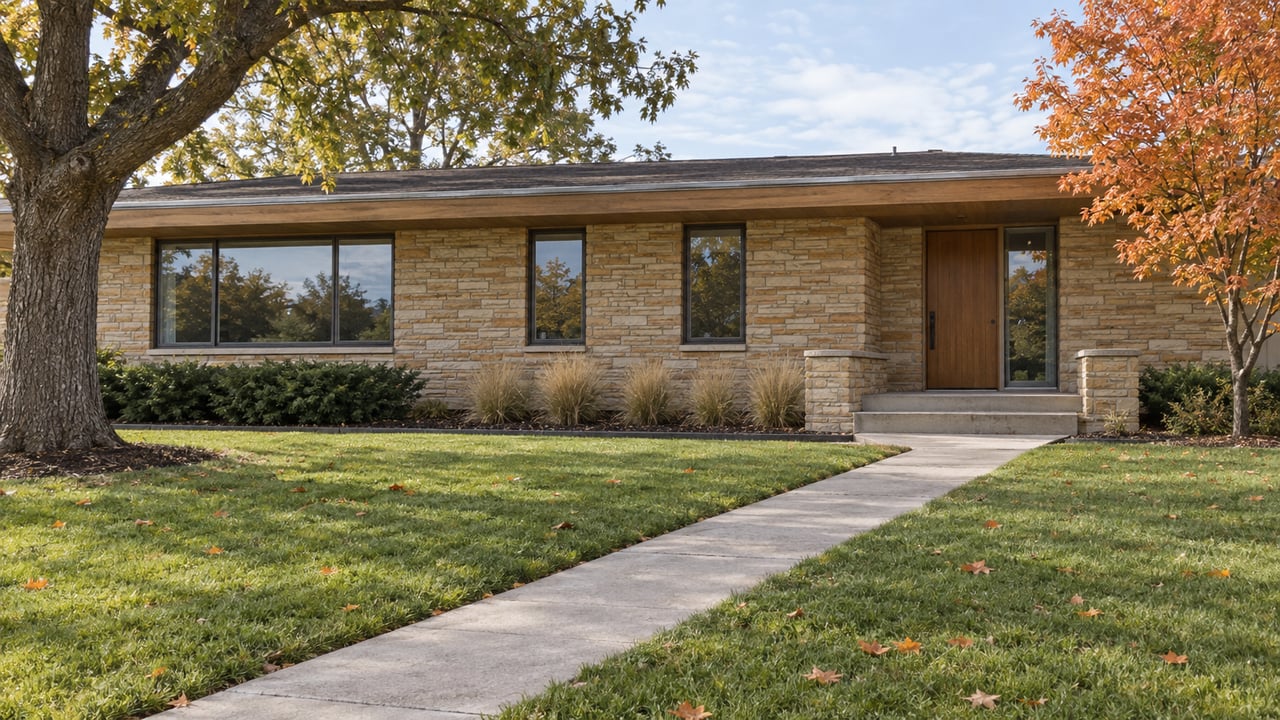
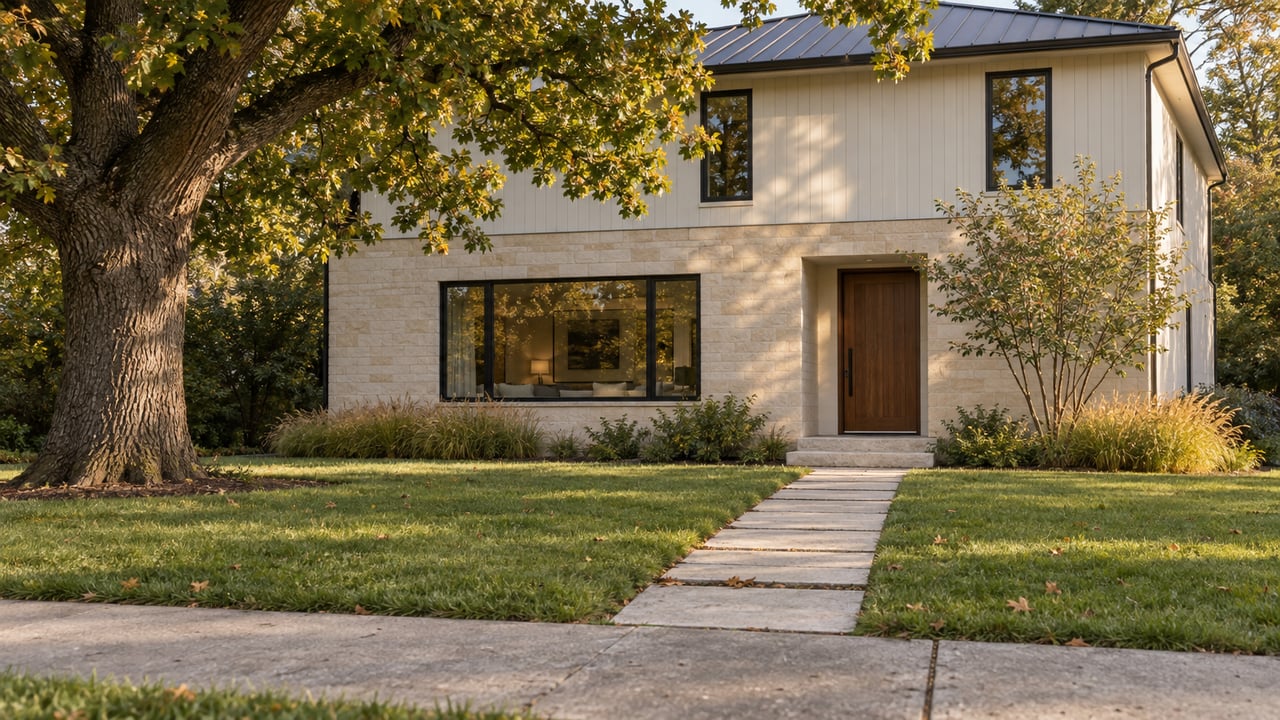
Cheesman Park offers late 19th and early 20th‑century mansions, converted historic buildings with large, character‑rich condos, and newer boutique infill options. Newer construction often commands a premium for modern systems, efficiency, and parking. Historic homes can command premiums for lot size and character, but values can soften for deferred maintenance. Two similar‑looking vintage homes can perform very differently based on renovation quality.
Condo HOA health and assessments
For condos, building fundamentals matter. Reserve levels, any pending or recent assessments, and overall HOA health influence both valuation and financing options. Owner‑occupancy ratios and rental policies can also shape demand and the list‑to‑sale outcome.
Seasonality and timing
Spring and early summer
From March through June, inventory and buyer activity typically rise. This is often the best window to sell when market conditions are healthy. Median days on market tend to compress, and well‑positioned listings see better engagement.
Off‑season opportunities
Fall and winter bring fewer listings, but serious buyers remain. Unique or trophy properties can transact year‑round. Motivated luxury buyers do not always follow standard seasonal patterns, so timing should reflect your property’s strengths and your goals.
Seller playbook: pricing and prep
- Price confidently and realistically. Overpricing in a small micro‑market can extend days on market and create a sense of staleness.
- Lead with what is rare. Highlight park views, landmark features, garage or secure parking, updated systems, finished lower levels, and outdoor living.
- Prepare documentation in advance. Offer mechanical, roof, and foundation details for historic homes. For condos, provide HOA budgets, reserve studies, meeting minutes, and any assessments to reduce friction during due diligence.
- Watch your first two weeks. Early traffic and feedback signal if your positioning is right. Strategic adjustments are more effective before a listing goes stale.
Buyer playbook: evaluation and negotiation
- Expect variability in leverage. Some niche listings accept below list, while best‑in‑class homes hold firm. Your comps and timing will guide your approach.
- For condos, dig into the HOA. Review reserves, any litigation, rental policies, owner‑occupancy ratios, and assessment history. These factors influence both price and loan options.
- For historic homes, budget for unknowns. Plan renovation contingencies and verify what exterior changes are allowed under local landmark rules.
- Use tight, recent comps first. Prioritize very recent, highly similar sales inside Cheesman Park. If you must expand your search, adjust thoughtfully for differences in property type, view, and renovation.
Choosing the right comps
Primary comps inside the park
Start with sales in Cheesman Park that match your property’s type, view, and renovation level from the past 6 to 12 months. Confirm whether outliers were included or excluded.
When to look nearby
If the sample is too small, expand to adjacent central neighborhoods with similar stock, like Capitol Hill and Congress Park. Use caution with large or unique properties and adjust qualitatively for differences.
Data to request before you act
Ask your advisor to provide:
- Rolling 12 and 24‑month trend lines for list‑to‑sale ratio, median PPSF, and median days on market, with transaction counts.
- Segmented views by property type, view, and building vintage, plus notes on outlier handling.
- Medians and interquartile ranges, not just averages.
- Clear reporting periods and the data pull date and source.
How Kelli Barton elevates your outcome
You deserve strategy and execution that match your asset. With a marketing‑first approach, polished presentation, and concierge transaction management, you can position your home to outperform in a nuanced micro‑market. If you are buying, rigorous segmentation, careful comp selection, and on‑the‑ground context help you move quickly and negotiate with clarity.
Ready to explore next steps in Cheesman Park? Connect with Kelli Barton to review segmented metrics, discuss timing, and receive curated opportunities. Receive Exclusive Listings in Your Inbox.
FAQs
How much premium does a Cheesman Park view add?
- Park frontage and higher‑floor views commonly command a meaningful premium, but the size differs by property type and must be confirmed with recent local comps.
Are Cheesman Park luxury condos discounted vs nearby areas?
- It depends on building amenities, HOA health, parking, and views; compare PPSF and list‑to‑sale ratios within the condo subset after controlling for vintage and outlook.
Does seasonality change prices for Cheesman Park luxury homes?
- Seasonality influences days on market and listing volume more than intrinsic price, and unique or motivated sales can happen at any time of year.
How reliable is price per square foot for historic Cheesman Park homes?
- Use caution because square footage reporting can vary; pair PPSF with qualitative review of usable space, lot attributes, and renovation quality.
What condo rules and financing checks matter in Cheesman Park?
- Review HOA reserves, assessments, rental policies, and any litigation, and confirm your lender’s requirements since building health can affect financing.