Trying to choose between a condo and a townhome in Cheesman Park? In a neighborhood this central and walkable, both options can fit your lifestyle. The right choice comes down to how you want to live, what you want to maintain, and how you plan to finance your purchase. This guide breaks down the differences in ownership, HOA rules, maintenance, parking, financing, and day-to-day living so you can move forward with confidence. Let’s dive in.
Cheesman Park snapshot
Cheesman Park sits just east of downtown Denver and north of Capitol Hill. You get quick access to the park’s green space, cultural institutions, restaurants, and transit. The central location supports high demand for low-maintenance homes.
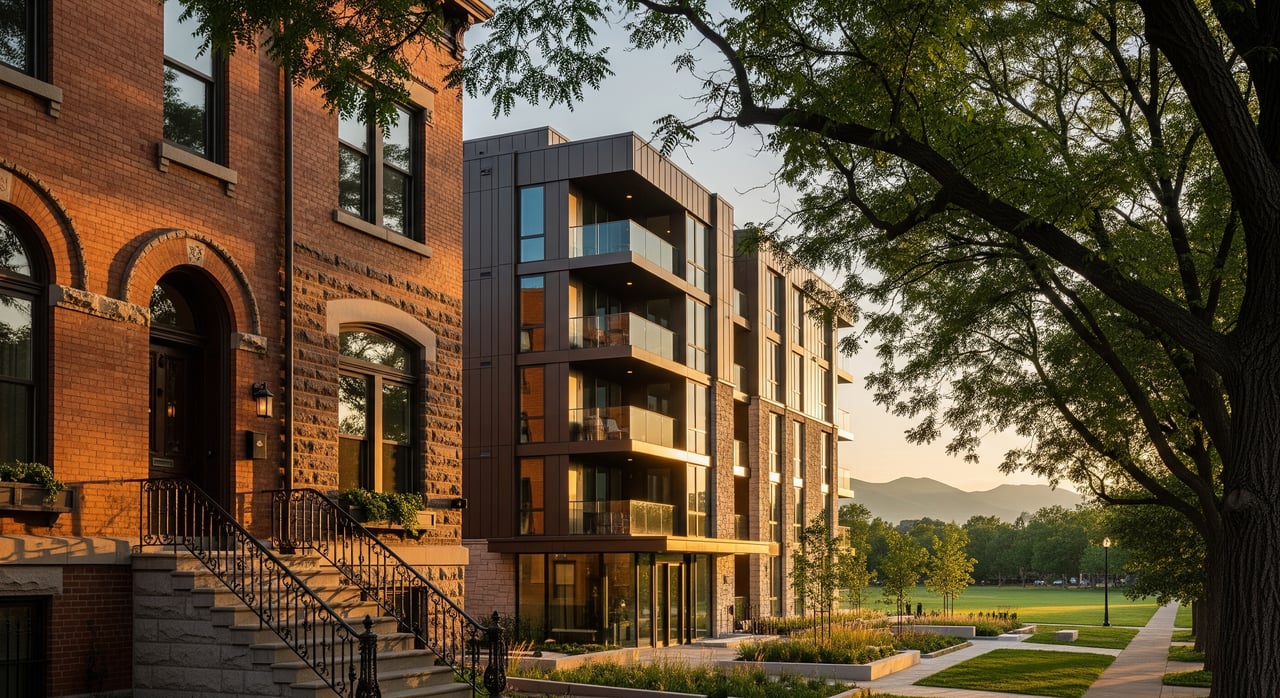
Housing options include early 20th-century mansions and row houses, classic apartment buildings that were converted to condos, purpose-built condo buildings, and a smaller number of fee-simple townhomes along adjacent streets. Some properties may be in historic or landmark-designated areas, which can affect exterior changes and permit timelines. Older buildings often offer charm and larger floor plans, but they can also require specialized maintenance.
What condo vs townhome means
In Colorado, a condominium means you own your unit’s interior space plus a share of the common elements. A condo association manages the building and common areas under recorded declarations and bylaws. You typically carry an HO-6 policy for your interior and contents.
“Townhome” can describe two different legal structures. A fee-simple townhome means you own the land and the structure, often with shared walls. You may have an HOA that manages limited common elements. A townhome-style condo looks like a townhouse but is legally a condo with shared ownership of common areas. Always confirm the recorded CC&Rs and the plat to know what you own and who maintains what.
The Colorado Common Interest Ownership Act governs how HOAs operate, disclosures, and owner rights across condos and planned communities. The association’s governing documents define maintenance, assessments, use rules, rental policies, and architectural controls.
Financing differences
Lenders review condos differently than fee-simple townhomes. For condos, a lender often performs a project review that looks at owner-occupancy ratios, reserve levels, insurance coverage, and any litigation. Some loans require project approval under investor guidelines. Project-level issues can impact your interest rate or loan availability.
Fee-simple townhomes can sometimes be simpler to finance because the lender focuses more on the individual property. If a townhome is part of a condominium regime or a large HOA, the review may be similar to a condo. It is smart to talk with a lender early so you understand any project requirements before you write an offer.
HOA, maintenance, and insurance
HOA scope and maintenance responsibilities vary by building and by the recorded documents. Review the CC&Rs and budget to understand what you are paying for and what you must maintain.
Condos
- HOA often maintains the exterior, roof, foundations, hallways, elevators, landscaping, snow removal, and building insurance under a master policy.
- You usually maintain your interior finishes and personal property. You carry an HO-6 policy and may want loss assessment coverage.
- Monthly dues may be higher in older buildings that plan for capital projects like roof or masonry work.
Townhomes
- Fee-simple owners are often responsible for the exterior, roof, and any yard or private patio. You carry a dwelling policy similar to HO-3. The HOA, if any, may cover limited common areas like private roads or landscaping.
- Townhome-style condos may mimic condo coverage, where the HOA maintains more of the exterior. Confirm whether the roof and exterior are owner-maintained or HOA-maintained.
HOA financial health
- Review the current budget, reserve study, insurance certificate, meeting minutes, and any special assessment history.
- Warning signs include low reserves relative to building needs, frequent special assessments, high owner delinquency, and pending litigation.
Utilities and metering
- Check which utilities are separately metered and which are shared. Condo conversions sometimes have shared water. Fee-simple townhomes are more likely to have separate metering.
Lifestyle trade-offs in Cheesman Park
Outdoor space
Condos often provide balconies, small patios, or shared courtyards. This pairs well with daily access to the park, but it is not private yard space. Townhomes are more likely to include a small private yard, fenced patio, or rooftop deck if allowed by the HOA and local rules. Historic properties may lean toward shared lawns or courtyards rather than private gardens.
Parking and storage
Parking is tighter here than in the suburbs. Many condo buildings offer assigned spaces in a garage or surface lot, while some older buildings have limited or no assigned parking. Townhomes more often come with a private garage or driveway, which can be a major advantage in central Denver. Always verify whether a space is deeded and included in the sale. If you need an EV charger or enclosed parking, focus on units or townhomes with deeded garage spaces and confirm any HOA permissions for chargers.
Noise, privacy, and light
Condos in multi-story buildings can have more vertical neighbor noise and corridor traffic. Townhomes share walls laterally, often with more privacy and direct street access. Proximity to the park can bring great light and views along with normal city activity and event noise.
Transit and walkability
You are close to downtown, restaurants, and transit options. Many buyers choose a condo for convenience and walkability if parking is not essential. If you want guaranteed private parking and easier gear storage, a townhome or a condo with deeded garage parking may fit better.
Decision framework: choose with clarity
Start with your top priorities. Answer these questions to narrow the field:
- Do you need private outdoor space, or is a balcony and direct park access enough?
- How important is a deeded garage space or driveway versus walking and transit access?
- How much control do you want over exterior changes and renovations?
- Would you rather pay predictable monthly HOA fees or manage occasional larger maintenance costs yourself?
- Do you plan to rent the property at any point? Check HOA rental caps and rules.
- Will you use conventional mortgage financing? If yes, confirm any condo project approval early.
- Does historic or landmark status affect your renovation plans?
Buyer checklist before you offer
Ask for key documents early so you can make an informed decision:
- Recorded declaration, CC&Rs, bylaws, and rules
- Resale certificate and the HOA disclosure package
- Current budget, financial statements, and reserve study
- HOA meeting minutes for the past 12 to 24 months
- Insurance summary and master policy certificate
- List of recent or planned special assessments and capital projects
- Title evidence and plat maps that show boundaries and any limited common elements
- Parking and storage details with proof of deeded rights
- Disclosure of any pending litigation involving the HOA
Red flags to investigate
- Low or no reserves in an older building
- Frequent or recent special assessments
- HOA litigation or insurance non-renewal
- Unclear responsibility for roof, exterior, or foundations
- Restrictions that conflict with your plans, such as short-term rentals, pet limits, or architectural rules
- Reports of financing challenges due to project compliance
Smart sequence for a smooth purchase
- Clarify lifestyle needs for outdoor space, parking, and maintenance.
- Get pre-approved and speak with your lender about condo and townhome underwriting.
- When you tour a property, request the HOA packet and resale certificate right away.
- Review financials, reserves, rules, and minutes with your agent. Consider a real estate attorney if documents raise concerns.
- Order an inspection and confirm building insurance and repair scope.
- If you plan to renovate, check City of Denver permitting and any landmark requirements.
The takeaway
In Cheesman Park, condos offer convenience, shared maintenance, and walkable living. Townhomes often provide more control, private outdoor space, and dedicated parking. The best fit comes down to your priorities and the specific HOA and building details. If you want a guided, low-stress path to the right home, connect with a local expert who knows the buildings, the boards, and the documents that matter. For a concierge-level approach tailored to your goals, reach out to Kelli Barton.
FAQs
What is the main legal difference between condos and townhomes in Denver?
- Condos are unit ownership with shared common elements, while townhomes may be fee-simple land and structure ownership or a townhome-style condo; always confirm with the recorded CC&Rs and plat.
How do HOA fees and responsibilities usually differ in Cheesman Park?
- Condo HOAs often cover exterior, roof, common areas, and a master insurance policy, while fee-simple townhomes may have lower dues but owners handle exterior, roof, and yard.
What should I know about condo financing project reviews?
- Lenders often review owner-occupancy, reserves, insurance, and litigation for condo projects, and some loan programs require formal project approval.
Will I get private parking near Cheesman Park?
- Many condos include assigned spaces, though older buildings may have limited parking; townhomes more often include a garage or driveway, so verify any deeded parking in writing.
Do historic or landmark rules affect renovations?
- Yes, landmark or historic areas can limit exterior changes and add time to permitting, so confirm status and rules before planning renovations.
What insurance policy do I need for each property type?
- Condo owners typically carry an HO-6 policy for interior and contents, while fee-simple townhome owners usually carry a dwelling policy similar to HO-3 for the structure and land.
Are utilities usually separate in condos and townhomes?
- It varies; condo conversions may have shared meters for some utilities, while fee-simple townhomes are more often separately metered, so confirm what you will pay each month.