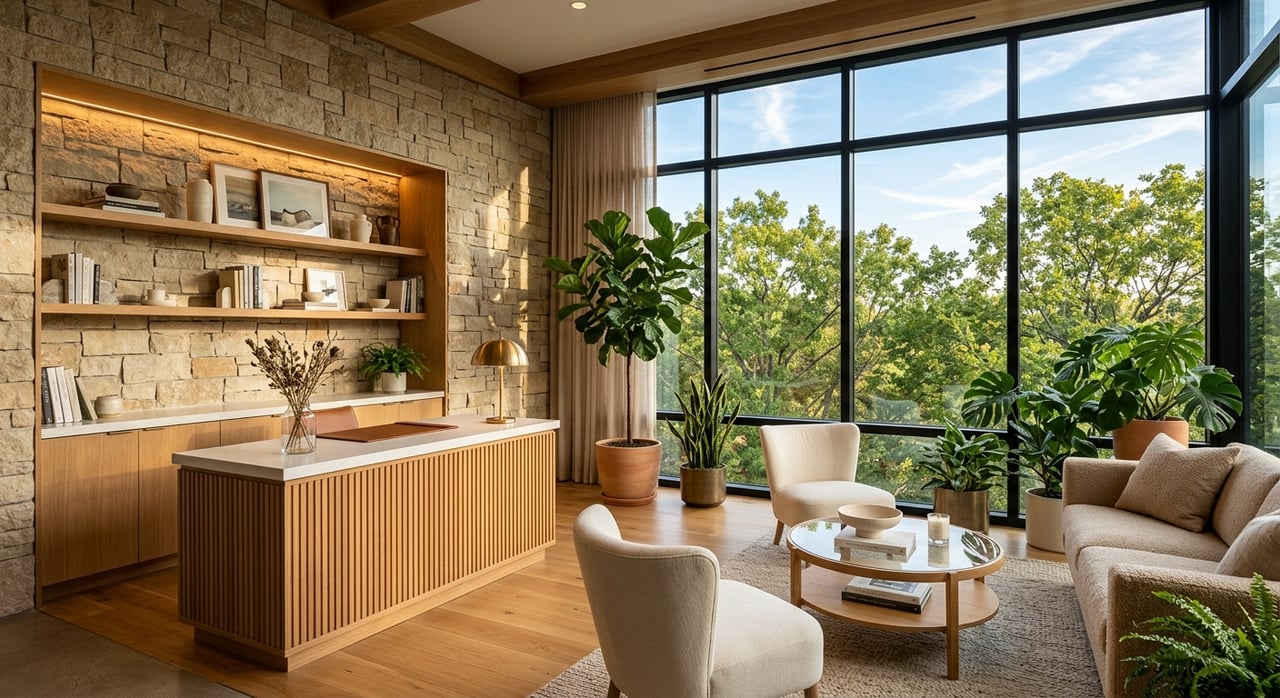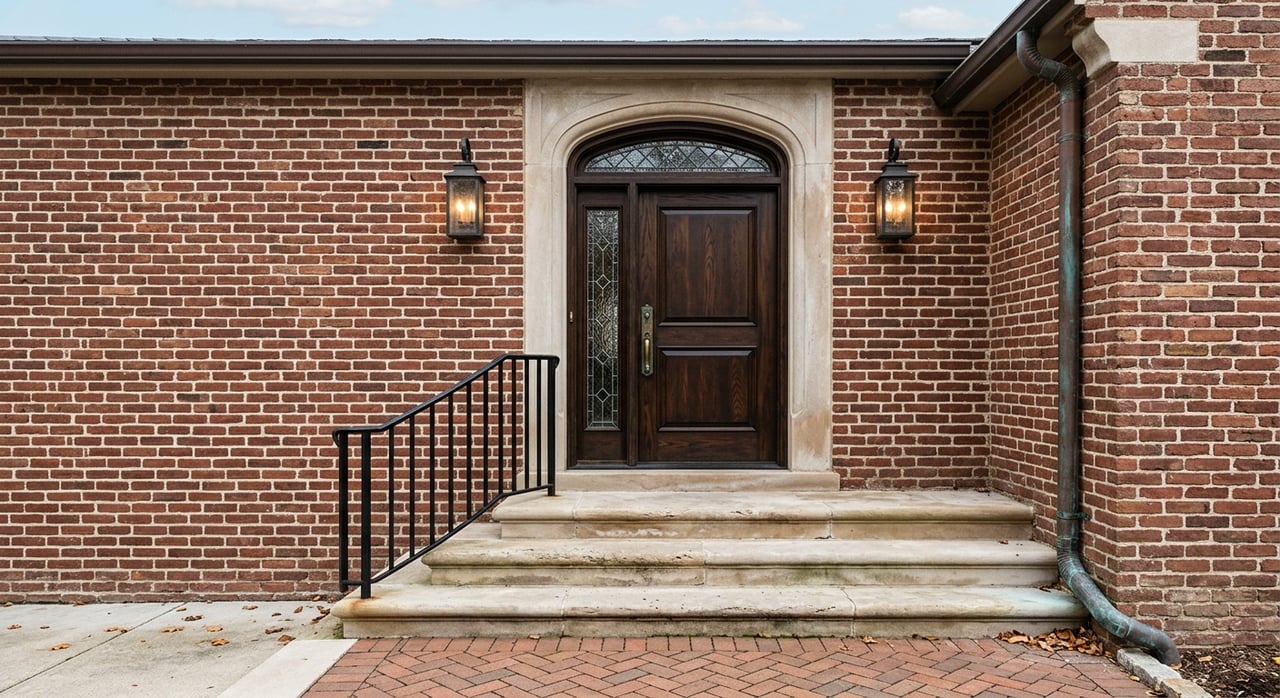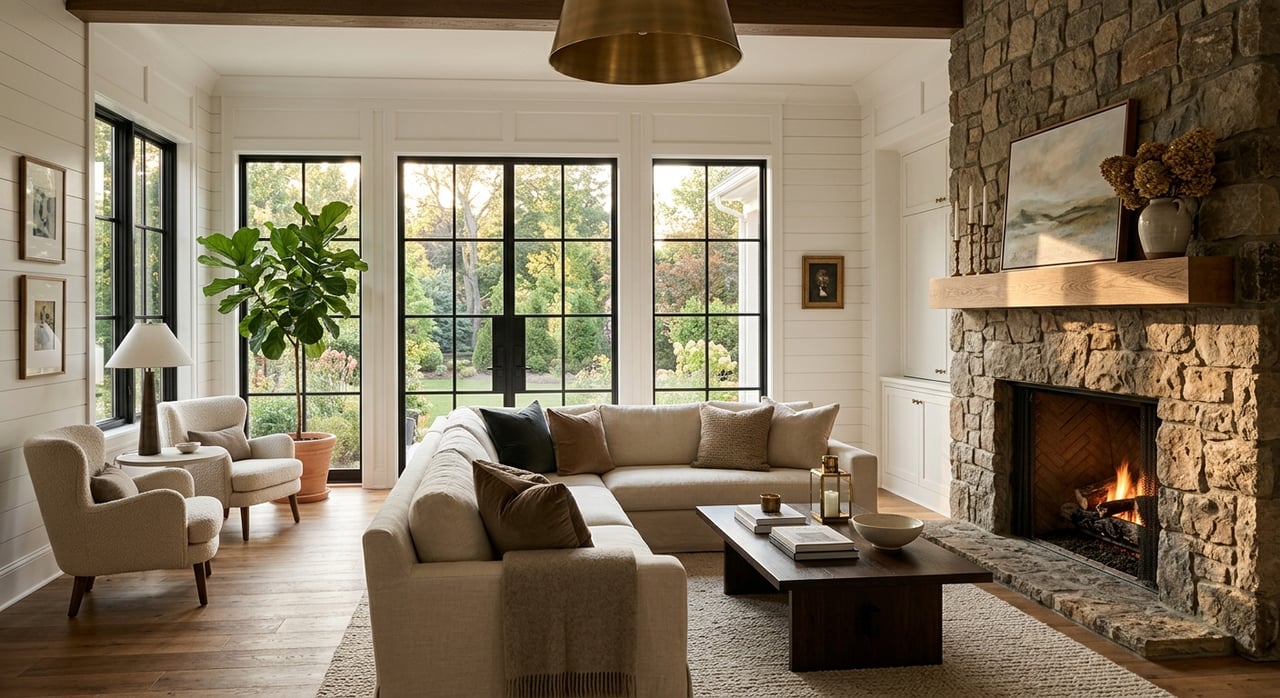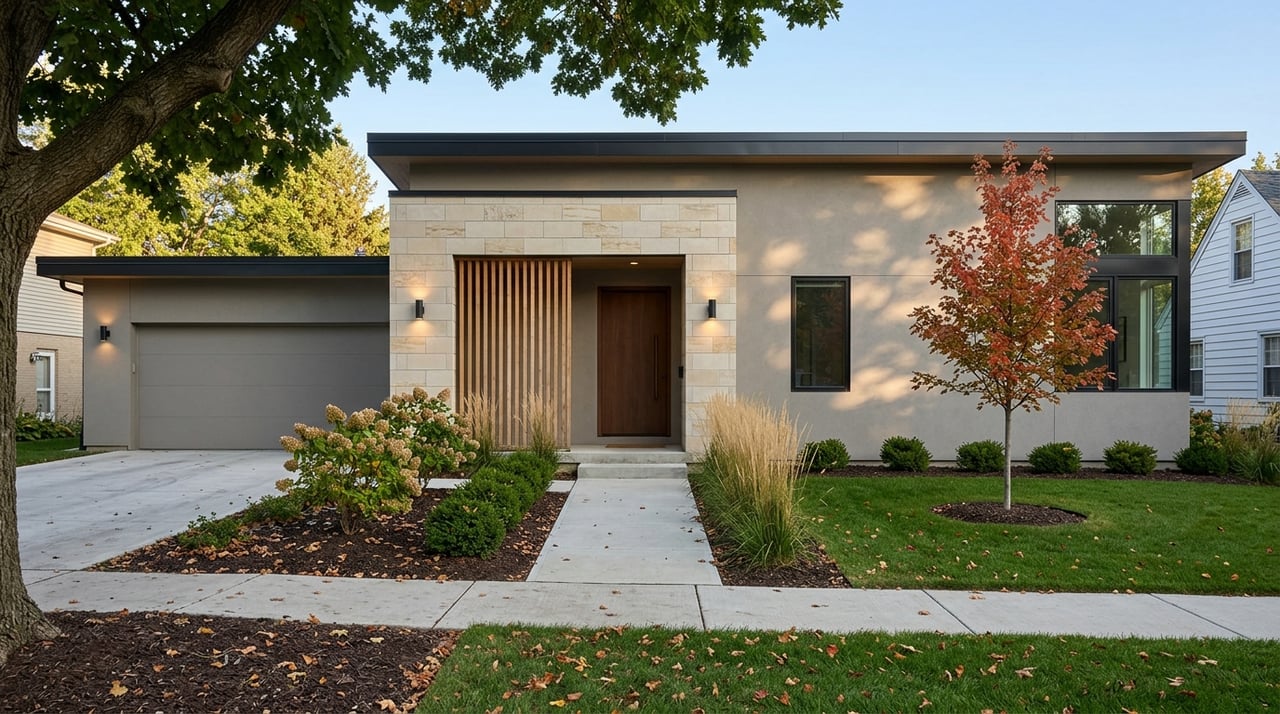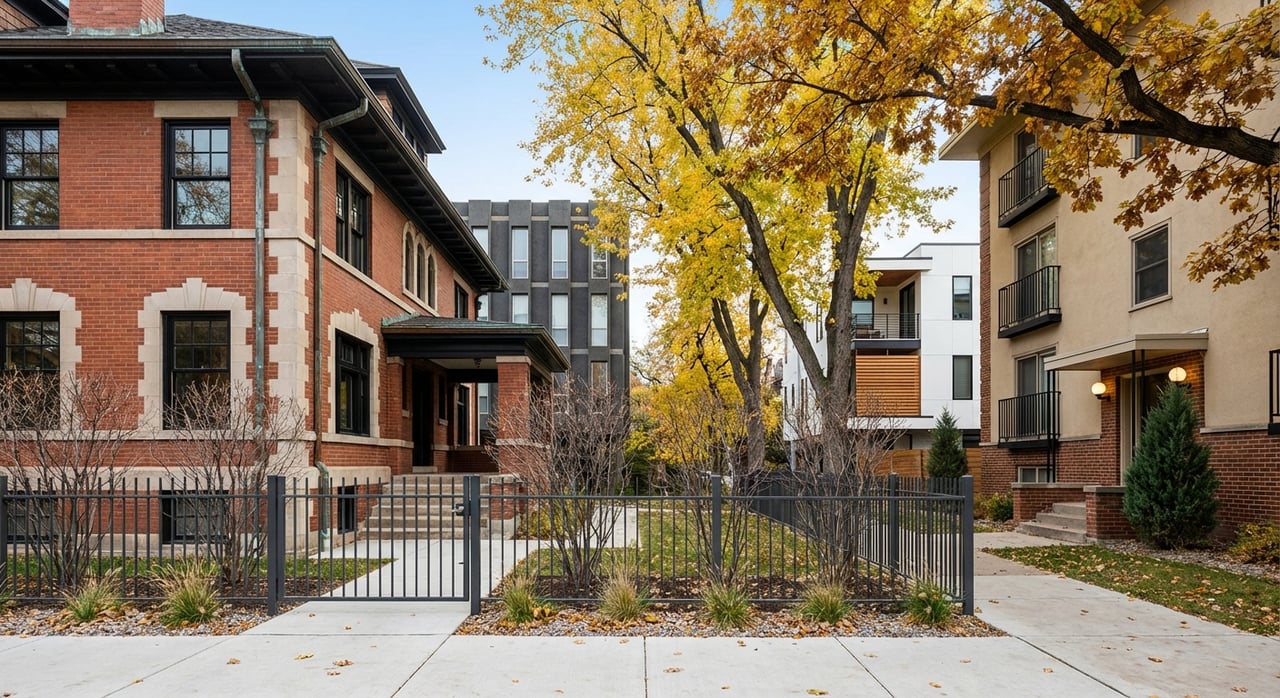
Morning runs under mature trees, sunset views from a glass-wrapped terrace, and cocktail hours in a paneled library—Cheesman Park offers all of it within a few blocks. If you love architecture as much as location, you’ll find that every building type around the park delivers a distinct lifestyle, with different maintenance and financing realities. In this guide, you’ll learn how to spot the major styles, what they mean for day-to-day living, and what to check before you buy. Let’s dive in.
Cheesman Park at a glance
Cheesman Park is an 80-acre urban park in central Denver, surrounded by a historic neighborhood that grew up around it in the late 1800s and early 1900s. The park and surrounding parkways are listed on the National Register of Historic Places, and the landscape and pavilion reflect Classical Revival planning. For background on the park’s transformation from the 19th-century cemetery and its early design team, see the history of Cheesman Park, Denver.
Four architectural families you’ll see
Gilded-age and early 20th-century mansions
Along the park and nearby streets, you’ll find large Queen Anne, Renaissance Revival, and Neoclassical homes originally built for Denver’s early elites. Notable examples and local landmarks remain, including the Tears McFarlane House highlighted by the Denver Architecture Foundation. You’ll notice high ceilings, formal rooms, rich millwork, masonry or stone façades, and generous porches.
Many of these properties were subdivided during the 20th century and later returned to single-family use or converted to condominiums. If you value original character, the National Park Service’s guidance emphasizes repairing defining features—like windows and trim—over replacement. Review the NPS rehabilitation guidelines as you plan updates.
What this means for you: You get architectural drama and flexible space, but plan for specialty trades for masonry, plaster, and millwork. Exterior changes on designated or contributing homes can require local design review, which affects timelines and scope.
Early walk-ups and Denver Squares
Walk-up apartments and the local “Denver Square” (American Foursquare) homes, typically built from 1900 to 1930, add a more compact, practical option near the park. Floor plans are boxy and efficient, often with original hardwoods, built-ins, and front porches or small balconies. Many of these buildings have no elevators and limited storage or parking.
Before you buy, check aging systems. Older electrical, such as knob-and-tube or undersized wiring, can trigger insurance or lender questions. The Electrical Safety Foundation International outlines why older home electrical systems deserve careful evaluation in its home electrical overview. Plumbing in some properties may also predate modern codes.
What this means for you: You get charm at a scale that fits a lock-and-leave lifestyle. Budget for potential electrical or plumbing upgrades and consider long-term accessibility if stairs are the only option.
Midcentury towers
The 1960s and 1970s brought high-rise luxury to Cheesman Park, with concrete-and-glass towers sited for mountain and park views. A well-known example is One Cheesman Place, completed in 1969. Expect broad glass exposures, long terraces, centralized building systems, and shared amenities such as pools, fitness rooms, clubrooms, and staffed lobbies.
Condo associations in towers manage major building systems and long-term capital projects. Healthy reserves and up-to-date studies are critical for predictability. Community Associations Institute explains why reserve studies matter for financial stability in its public policy on reserve study and funding. Elevators, façade work, waterproofing, and garage repairs are common large-ticket items; elevator modernization, for example, can be a major line item for a building, as outlined in this overview of elevator replacement costs.
What this means for you: You get views, single-level living, and amenities that support an easy routine. Review the association’s reserve study, meeting minutes, and any engineer reports to understand upcoming projects and assessments.
Contemporary condos and boutique infill
Newer construction immediately around the park is more selective, often taking the form of adaptive-reuse condominiums in historic buildings, renovated midcentury units, or small-scale townhomes. You’ll typically see modern mechanicals, energy-efficient windows, and, when applicable, developer warranties.
What this means for you: You benefit from reduced near-term maintenance and predictable systems, balanced by potentially higher HOA fees if amenities are robust. For newer associations, pay attention to the transition from developer control and the early formation of reserves.
How style shapes daily living
- Mansions: You live with architectural gravitas and generous entertaining spaces. Think formal dining, libraries, and garden terraces. The tradeoff is specialized care and a planning mindset for exterior work.
- Walk-ups and Denver Squares: You enjoy character-rich rooms at a walkable scale. The tradeoff is accessibility and the possibility of building-wide system upgrades.
- Midcentury towers: You prioritize views, convenience, and amenities. The tradeoff is shared responsibility for capital projects and the need for solid reserves.
- Contemporary infill: You value newer systems, efficient layouts, and a streamlined lifestyle. The tradeoff is higher HOA fees in amenity-heavy buildings and careful review of early association governance.
Ownership costs and risk checks
Across all property types, your due diligence should blend architectural appreciation with pragmatic review. For historic properties, the National Park Service’s guidelines for rehabilitation reinforce repair-first strategies that protect value and authenticity. For condo towers and larger buildings, the reserve study and funding standards frame how projects are planned and paid for.
For homes and condos built before 1978, obtain the required lead-based paint disclosure and consider testing if you plan renovations. You can review HUD’s lead-safe renovation information here: HUD guidance on lead-based paint.
If a property is designated or located within a historic district, exterior changes often require design review. Start with Denver’s Landmark Preservation materials on window and door replacement design review to understand how the process works and what documentation you will need. Denver and Colorado programs may also offer preservation tax credits for qualified rehabilitation work. Confirm current rules and eligibility directly with Landmark Preservation before you budget.
Smart buyer checklist near Cheesman Park
Use this quick list to focus your offer-stage questions and inspections:
Historic status and review
- Confirm whether the home is designated or in a historic district and which exterior changes require a Certificate of Appropriateness. Start with Denver’s Landmark Preservation design review overview.
Building envelope and systems
- Order a full inspection that covers structure, roof, windows, masonry, plumbing, electrical, and HVAC. If the home is historic, consult a preservation-minded architect or contractor and reference the NPS rehab guidelines before planning replacements.
Pre-1978 properties
- Review the lead-based paint disclosure and consider testing if you plan renovations. See HUD’s lead-based paint guidance.
Electrical and plumbing in older homes
- Ask about original wiring, panel capacity, and visible plumbing upgrades. Older wiring and galvanized piping can affect insurance and financing. The ESFI’s home electrical overview explains why modernization can be necessary.
Condos and towers
- Request the last 12–24 months of HOA meeting minutes, the most recent reserve study, audited financials, current budget, reserve balance, and any engineer or envelope reports. Review the association’s approach to reserve funding using CAI’s reserve study guidance.
- For high-rises, ask about elevator inspection and modernization plans, façade and balcony waterproofing, and garage or structural work. Reference typical elevator replacement cost factors to understand project scale.
Value, views, and resale
Proximity to green space is a real economic driver. Studies show that homes near parks often command price premiums, especially when views and direct access are part of the package. For a recent review of park adjacency and pricing, see this hedonic analysis of park proximity and home values. Around Cheesman Park, that premium intersects with building type. Updated tower units with strong reserves can reach a broad buyer pool. Architecturally significant mansions attract a more niche audience that values historic detail. Early walk-ups and Denver Squares often appeal to buyers prioritizing character and location over large-scale amenities.
The bottom line
Cheesman Park is one of Denver’s rare places where architectural heritage and modern convenience meet within a few leafy blocks. Whether you are drawn to a paneled library in a Renaissance Revival mansion, a bright corner unit in a midcentury tower, or a charming Denver Square, the best outcomes start with clear eyes about maintenance, reserves, and design review. With the right guidance, you can secure the lifestyle you want and protect long-term value.
Ready to explore the right fit by the park? Tap into a boutique, concierge approach that prioritizes design, documentation, and a stress-minimized closing. Connect with Kelli Barton to begin a curated search or to position your property for a top-market result.
FAQs
What makes Cheesman Park a historic area?
- Cheesman Park and its parkway system are listed on the National Register of Historic Places, with early 20th-century landscape and pavilion design. Learn more via Cheesman Park’s history.
How do historic design review rules affect renovations near Cheesman Park?
- If a property is designated or contributes to a historic district, certain exterior changes may require a Certificate of Appropriateness. Start with Denver’s Landmark Preservation design review page and plan timelines accordingly.
What should I review before buying a condo in a midcentury tower by the park?
- Request the HOA’s latest reserve study, audited financials, meeting minutes, and engineer reports. The CAI reserve study standards explain why adequate reserves and planned projects matter for financing and resale.
Are early 1900s walk-up condos around Cheesman Park a good fit for first-time buyers?
- They can be, thanks to character and location. Be ready to evaluate older electrical and plumbing and to live without elevators. See ESFI’s home electrical overview to understand upgrade considerations.
Do park views near Cheesman Park really add value?
- Research shows properties near parks often see measurable price premiums, especially with views and access. Review this analysis of park proximity and home values for context.