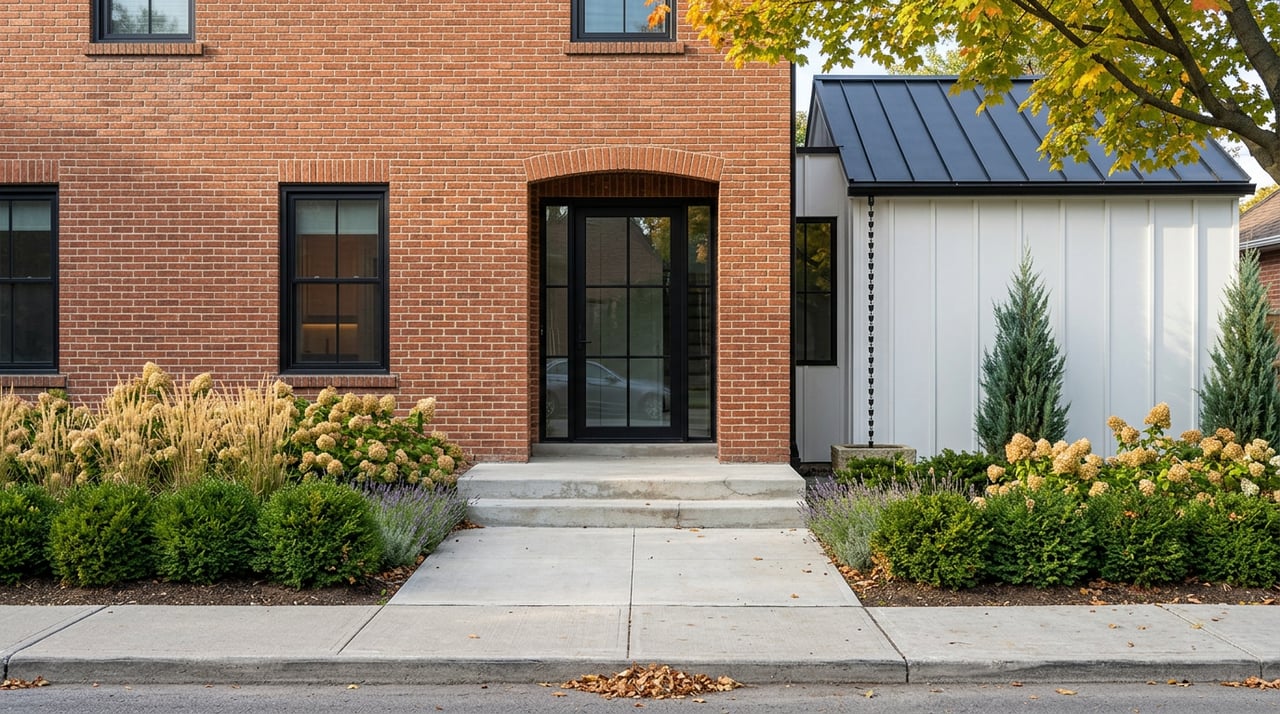
Torn between the crisp lines of a new build and the character of a classic home in Hilltop or Crestmoor? You are not alone. Many buyers love the location and parks here, then face a real choice on layout, timelines, and long-term value. In this guide, you will see how each option performs on price, lots, design, and permits so you can move forward with confidence. Let’s dive in.
Hilltop and Crestmoor overview
Hilltop and Crestmoor sit in east‑central Denver, with Cranmer Park and Crestmoor Park as signature green spaces. The area blends wide, leafy streets with a mix of older homes and custom new construction.
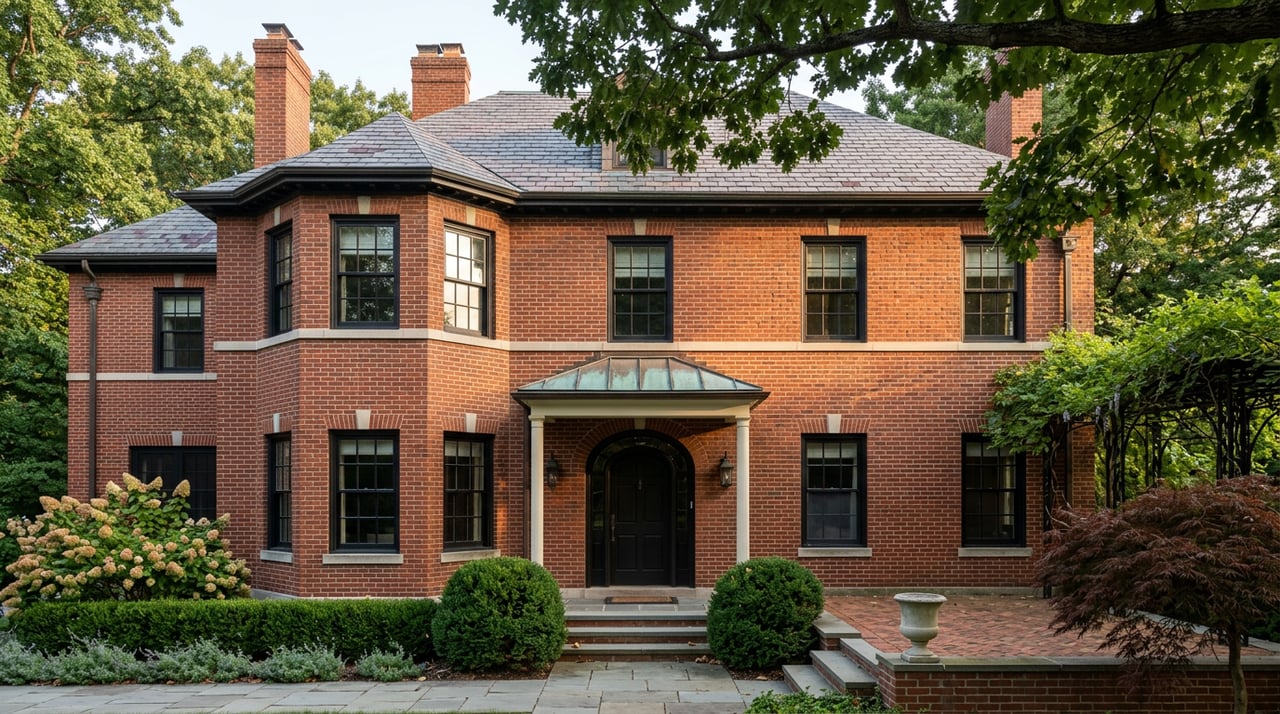
You will find 1920s to 1950s Tudors, Colonials, and ranches alongside contemporary and transitional builds. Crestmoor is a smaller pocket within the greater Hilltop area and is known for larger parcels and a quieter feel on many blocks.
Price and lot size signals
Recent third‑party data shows Hilltop’s median sale price hovering near the low 1.7 million range in early 2026, while Crestmoor’s median list price often trends higher, frequently in the mid 2 million range. Different providers use different time windows, so you will see variation by month. Always confirm the latest snapshot before you write an offer.
Lot size is a major factor. In Crestmoor, many properties sit around a quarter acre or more, with park‑adjacent homes commanding premiums. Hilltop parcels are large by Denver standards but vary block by block, commonly in the roughly 7,000 to 12,500 square foot range. Bigger lots can support larger footprints, generous backyards, and sometimes accessory structures.
What you get in a new build
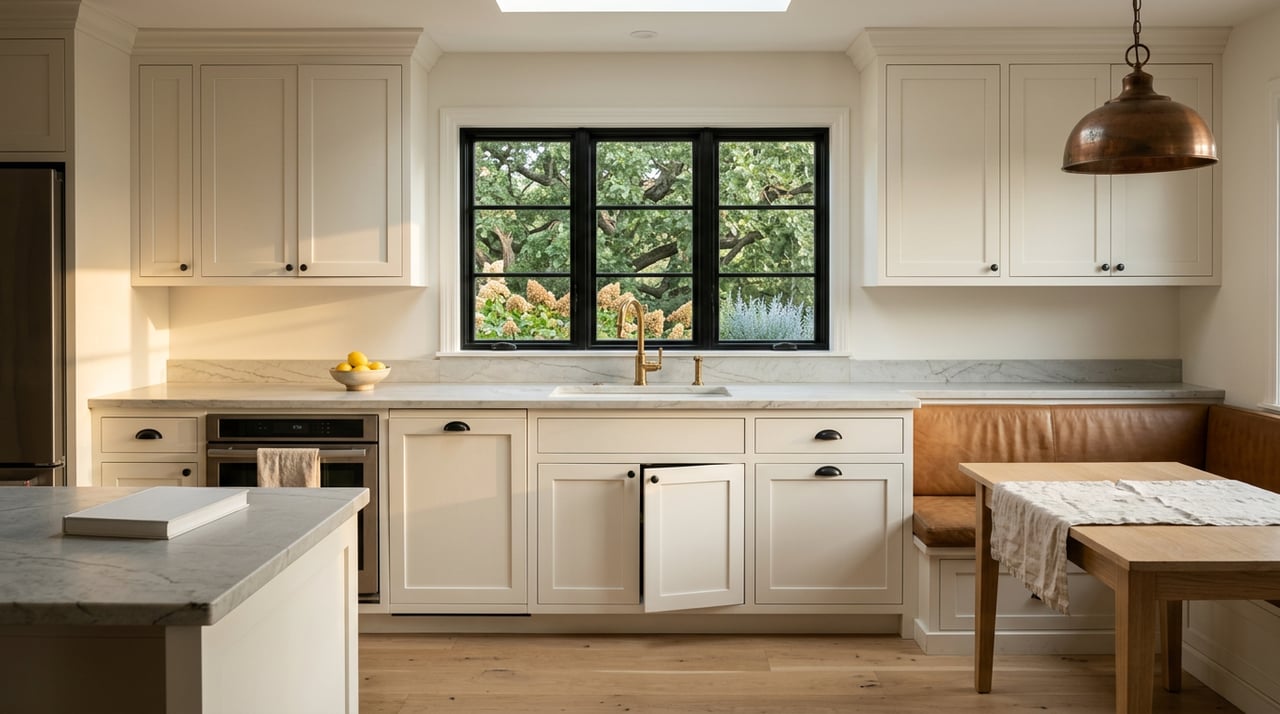
Modern new construction in Hilltop and Crestmoor typically delivers what today’s buyers request most. Open kitchens with large islands, great‑room living, mudrooms, and multi‑car garages are common. Many plans add home offices, intentional storage, and either a main‑floor primary suite or a large upstairs primary.
Mechanical and energy upgrades are a strong draw. Builders often include higher insulation values, updated HVAC that is heat‑pump ready, prewire for smart tech, and EV‑charger capability. These features align with current buyer preferences highlighted in national housing studies on layouts, storage, and efficiency. You can review broader buyer‑preference trends in recent industry reports that track the features people prioritize today, such as outdoor living and energy‑efficient systems. For a helpful summary of what buyers value now, see this overview of national feature preferences and remodeling trends in the latest housing and remodeling research digest. Recent buyer‑preference and remodeling research.
New‑build trade‑offs to weigh
- Yard versus footprint. Many new builds maximize interior square footage, which can squeeze usable yard space on smaller lots. On larger Crestmoor or deep Hilltop parcels, you often get both size and outdoor living.
- Price per square foot. New builds tend to price at a premium due to modern systems, finishes, and fewer near‑term maintenance costs.
- Design fit. Not all new builds are created equal. Pay attention to orientation, window placement, garage position, and privacy on the lot.
Why classic homes still win
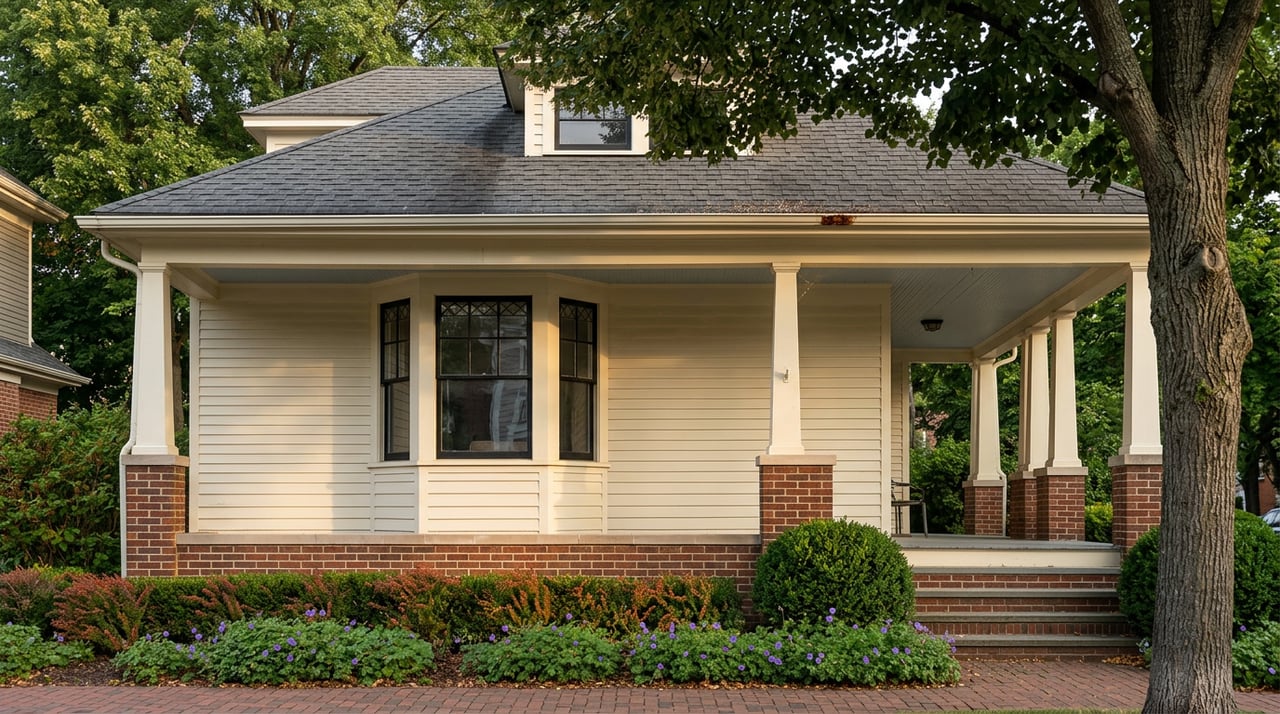
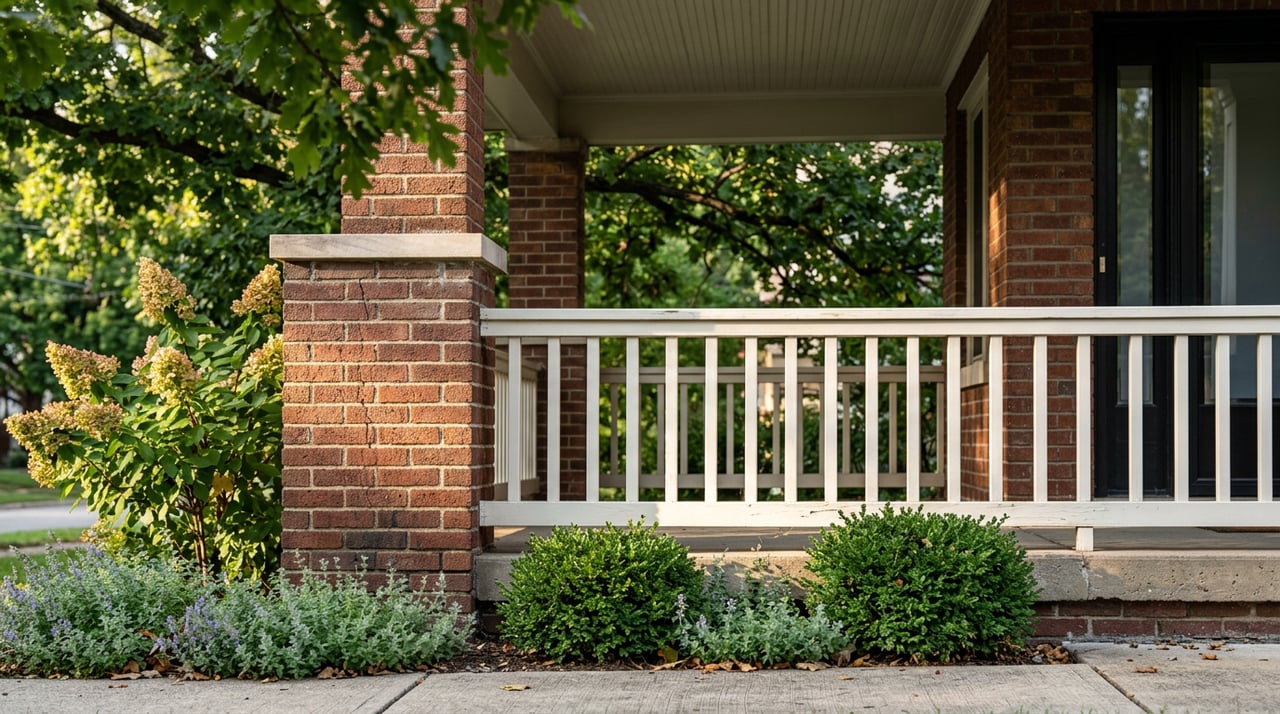
Classic homes in Hilltop and Crestmoor offer mature trees, established landscaping, and distinctive street rhythm that many buyers love. You often see larger setbacks and a calmer visual experience that fits the area’s historic character. Basements are common and can add flexible space for storage, media, or fitness.
The trade‑off is modernization. Older homes may need updates to electrical panels, HVAC, windows, and insulation, plus kitchen and bath refreshes. National cost‑versus‑value studies suggest that measured, midrange updates often deliver stronger resale returns than very high‑end custom work. For high‑level ROI patterns, review the latest remodeling benchmarks. Remodeling ROI benchmarks.
Classic‑home due diligence
- Budget for systems. Check the age and condition of the roof, wiring, HVAC, and windows during inspection.
- Scopes and permits. Ask for documented permits on past additions. Unpermitted work can affect timing and insurance.
- Energy and comfort. Plan for insulation, air sealing, and window improvements if not already completed.
Renovation and permitting in Denver
Denver has worked to improve permit review times compared with the 2022 to 2023 backlog. Smaller scopes like certain solar installs benefit from streamlined pathways, while additions and ground‑up projects still require full plan review. Expect timelines to vary by scope and season. For background on prior slowdowns and recent improvements, see this local reporting on permit capacity and audit findings. Coverage of Denver’s permitting backlog and reforms.
Denver Community Planning and Development continues to update processes, including time‑savers for eligible solar permits through SolarAPP+. Learn more about the city’s process updates here: Denver CPD SolarAPP+ update.
Landmark and design review
If a property is a designated landmark or sits in a Denver historic district, exterior changes, major additions, and new construction can trigger Landmark Preservation design review. That adds specific material and visibility standards and can extend timelines. Before you commit to a big renovation or a scrape‑and‑rebuild, confirm whether design review applies. Start with the city’s guidance here: Denver Landmark design review.
ADUs and lot potential
Denver now allows accessory dwelling units citywide under recent code changes. That can open options for guest space or supplemental rent, depending on your parcel’s size, setbacks, and design. Each lot is unique, so confirm feasibility with a designer and the city. Read more about the policy shift here: Citywide ADU approval overview.
Market context to frame timing
Metro Denver has shifted toward a more balanced market compared with the 2020 to 2022 frenzy. Inventory is no longer at record lows, which can give you more choice and negotiating room. Premium locations with larger lots, like Hilltop and Crestmoor, tend to hold demand even in cooler cycles. See a recent snapshot on the metro trend here: Buyer‑leaning conditions in metro Denver.
A decision guide for Hilltop and Crestmoor
Use this checklist to choose between a new build and a classic home:
- Lot and orientation. Confirm exact square footage, sun exposure, privacy, and any easements. Larger Hilltop and Crestmoor parcels often permit both generous indoor space and a real backyard. Smaller parcels may favor a classic home if outdoor living is a priority.
- Systems and envelope. If you lean classic, plan for near‑term upgrades. If you choose new, verify insulation values, HVAC type, and EV‑charging setup.
- Permit and project history. Ask for permit numbers for past additions or major remodels. You can also review homeowner permit guidance here: Denver homeowner permits.
- Design review. Confirm whether Landmark rules or neighborhood design expectations apply. If so, factor the review timeline and likely conditions into your budget. Details: Landmark design review.
- Schools and daily rhythm. Check the specific school assignment for your address with DPS. Also map your park access, commute, and errands. Boundaries and routes vary block by block.
- Renovation ROI. If you plan to update a classic home, midrange, well‑scoped projects often show stronger resale returns than fully bespoke luxury changes. Review current benchmarks: Remodeling ROI benchmarks.
Which path fits your goals
Choose a new build if you want turnkey systems, open layouts, and fewer immediate projects. Prioritize lots that preserve meaningful private yard space and good natural light.
Choose a classic home if you value mature trees, street rhythm, and architectural detail. Budget for systems upgrades and dialed‑in kitchen and bath updates. The right parcel and orientation can make the finished result feel both timeless and modern.
Example outcomes to consider
- New build on a quarter‑acre lot. You gain a modern plan with indoor‑outdoor flow and a yard that still fits a patio and play space. Price per square foot will be higher, but near‑term capex is lower.
- Classic midcentury on a larger Hilltop parcel. You keep the established setting and rework the kitchen, baths, and systems over the first few years. With smart scope and finishes, you can align resale value with neighborhood expectations.
Your next steps
- Walk the blocks you like near Cranmer Park and Crestmoor Park at different times of day. Note sun, traffic, and privacy.
- Shortlist both a new build and a classic on comparable lots. Compare backyard size, storage, and the likely first‑year maintenance list side by side.
- If you lean classic, get contractor input early and ask for two to three bids. If you lean new, review builder warranty terms and energy details in writing.
If you want a calm, data‑driven path to the right Hilltop or Crestmoor home, let’s talk. You will get curated options, permit and parcel checks, and a clear strategy for offer timing. Connect with Kelli Barton for a private consult or to receive exclusive listings in your inbox.
FAQs
What are typical prices in Hilltop and Crestmoor?
- Third‑party snapshots show Hilltop’s median sale price near the low 1.7 million range recently, while Crestmoor’s median list price often trends higher in the mid 2 million range. Verify current figures before you make an offer.
How big are lots in these neighborhoods?
- Crestmoor commonly offers quarter‑acre or larger parcels, while Hilltop lots vary widely, often around 7,000 to 12,500 square feet. Always confirm parcel size for the address you are considering.
Do classic homes require major system upgrades?
- Many do. Plan for possible electrical panel updates, HVAC replacement, insulation and window improvements, and kitchen or bath refreshes based on inspection findings.
How long do Denver permits take for remodels?
- Small scopes can move faster, while additions and new construction require full plan review that varies by season and workload. Expect variability and build margin into your timeline.
Will Landmark design review affect my project?
- It can if the home is a designated landmark or sits in a historic district. Exterior changes, major additions, and new construction often need design review that adds time and material guidelines.
Are ADUs allowed in Hilltop and Crestmoor?
- Denver allows ADUs citywide under recent code changes. Feasibility still depends on your specific lot size, setbacks, and design.
What should I check before choosing a new build?
- Confirm the lot’s orientation and privacy, builder warranty terms, energy features, storage, and backyard usability. Walk the site at different times of day.
What should I check before buying a classic home?
- Ask for permit history, review inspection results closely, budget for systems and envelope upgrades, and confirm whether any design review rules apply to exterior work.