Bidding wars are exciting until the appraisal comes in low. If you are shopping in Park Hill or central Denver, you have likely heard about appraisal gaps and how they can threaten a smooth closing. You want clarity and a plan that protects your goals without slowing you down. This guide explains what an appraisal gap is, why it happens in Park Hill, and the practical steps you can take to compete confidently. Let’s dive in.
What is an appraisal gap?
An appraisal is an independent valuation for your lender. The appraiser inspects the home, studies closed comparable sales, and reports a market value. Lenders base your loan on that appraised value, not the contract price.
An appraisal gap is the difference when the price you agreed to pay is higher than the appraised value. If that happens, the lender may reduce the loan amount and you must decide how to cover the difference, renegotiate, or use your contract protections. In short, an appraisal gap creates a cash or contract decision point.
A quick example
If you plan an 80% loan-to-value conventional loan, the lender funds 80% of the appraised value. When the appraisal comes in lower than the contract price, your loan shrinks. You can bring extra cash, adjust terms with the seller, or lean on your appraisal or financing contingency if included.
Why gaps happen in Park Hill
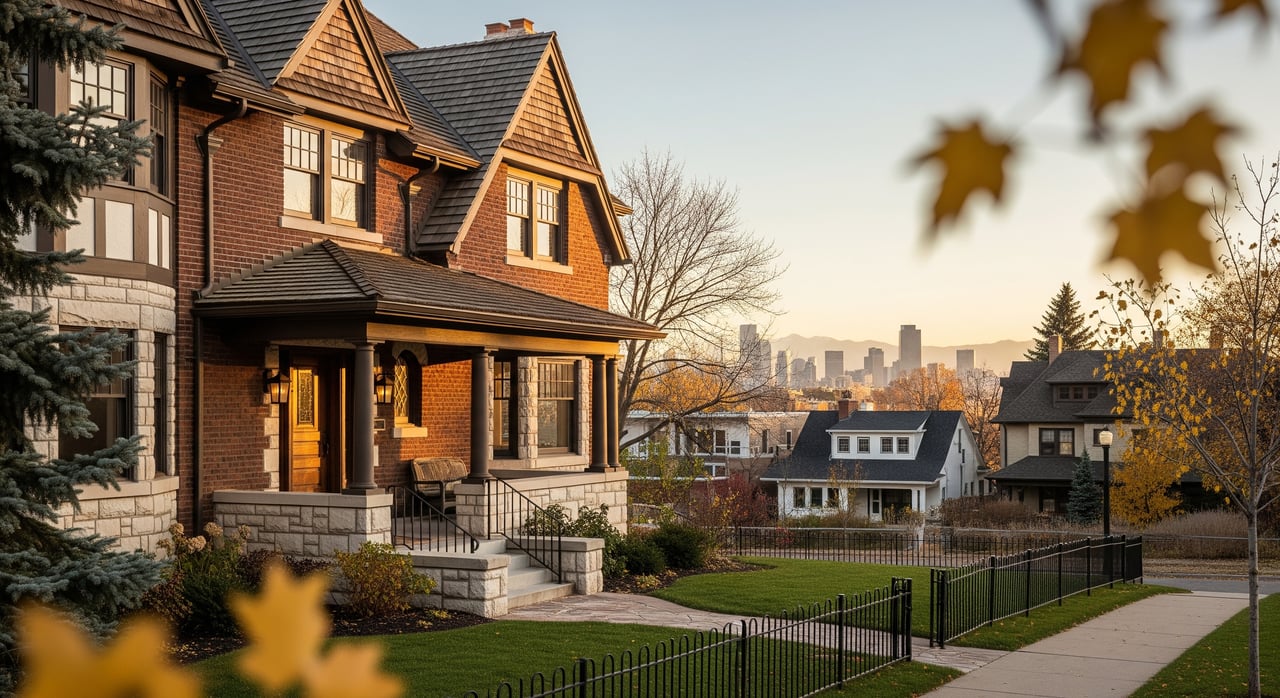
Park Hill is a long-established, centrally located neighborhood with historic homes, renovated bungalows, and newer infill. That mix often produces strong demand for limited, well-located inventory.
Market dynamics in Park Hill
- Low inventory and multiple offers can push prices above recent closed sales.
- Rapid appreciation means closed comps may lag what buyers are willing to pay today.
- A varied housing stock makes it harder to find truly similar comps, especially with unique lots or custom renovations.
- Localized premiums for walkability, parks, and area amenities do not always show up in recent sales.
Appraiser constraints
- Appraisers must rely on recent closed sales. Pending sales and offers carry less weight.
- Standardized methods and conservative assumptions guide adjustments and limit how much value can be assigned to unique features.
- Turn times and staffing in hot markets can affect the depth of analysis.
How lenders respond to a low appraisal
Lenders generally fund the lesser of the contract price or the appraised value times your loan-to-value ratio. When a gap appears, you have options:
- Bring additional cash to cover the difference.
- Renegotiate price or ask for concessions.
- Cancel or amend the contract if your appraisal or financing contingency allows.
Loan type differences
- Conventional: Standardized forms and automated underwriting can sometimes allow appraisal waivers in eligible, lower-risk cases. Waivers are not common in fast-changing micro-markets.
- FHA/VA: Appraisals are generally required and may include property standards. Waivers are less common.
- Jumbo: Underwriting and appraisal reviews can be stricter and more conservative.
Buyer strategies that work
Below are approaches buyers in Park Hill often use. Match your strategy to your budget, risk tolerance, and lender guidance.
1) Strong pre-approval and proof of funds
- What: Secure a firm pre-approval and gather documentation of cash reserves.
- Pros: Signals strength and speeds closing.
- Cons: Cash may be tied up; you could overpay if the gap is large.
2) Appraisal gap coverage addendum
- What: Commit to cover a specific dollar amount above the appraised value.
- Pros: Makes your offer more competitive while limiting your exposure.
- Cons: Contract language must be precise so you do not assume unintended risk.
3) Waive the appraisal contingency
- What: Agree to proceed even if the appraisal is low, subject to lender approval.
- Pros: Very strong in a seller’s market.
- Cons: High risk; you may need to cover the entire gap or change financing.
4) Pay cash or increase your down payment
- What: Bring extra funds to closing to bridge the shortfall.
- Pros: Straightforward solution that keeps the deal moving.
- Cons: Reduces liquidity and reserves.
5) Use an escalation clause with coverage
- What: Increase your offer automatically up to a cap when competing bids appear; pair it with a clear appraisal coverage amount.
- Pros: Helps you win without starting at your max number.
- Cons: Can still create a gap if escalated above appraised value.
6) Request a reconsideration of value
- What: Submit additional comps and documentation through your lender’s reconsideration process.
- Steps: Identify stronger comps, recent closed sales, and documented upgrades. Provide permits and invoices where relevant.
- Pros: Can raise value or trigger a second look.
- Cons: Not guaranteed and can take time.
7) Renegotiate with the seller
- What: Seek a price reduction or seller credits so you can redirect cash to the gap.
- Pros: Shares the risk and keeps the deal intact.
- Cons: Less likely if sellers hold multiple back-up offers.
8) Bridge loan or HELOC
- What: Use short-term financing to cover the gap, then refinance later if appropriate.
- Pros: Preserves the purchase when liquidity is tight.
- Cons: Added fees, interest, and underwriting complexity.
9) Walk away using your contingency
- What: If your contract allows, cancel and recover earnest money.
- Pros: Protects you from overpaying beyond your comfort zone.
- Cons: You lose the property and must continue your search.
Preparation checklist for Park Hill buyers
Use this checklist before you write an offer:
- Talk to lenders early
- Ask about low appraisal policies, appraisal timelines, and typical fees in Denver.
- Confirm whether reconsiderations or second appraisals are possible.
- Set a firm appraisal gap budget
- Decide the maximum dollar amount you are willing to cover above the appraised value.
- Know how that number interacts with your down payment and reserves.
- Gather documentation for a potential reconsideration
- Collect recent closed comps, upgrade records, permits, and contractor invoices.
- Choose your contingency strategy
- If using an appraisal coverage addendum, be specific about the dollar cap and how it affects your financing contingency.
- Consult your lender and, if needed, an attorney for contract language.
- Explore alternative financing early
- Ask about bridge options or a HELOC so you know costs and timing before you need them.
- Understand what waiving means
- Waiving an appraisal contingency changes your contract remedies, not lender requirements.
- Lean on local expertise
- Work with an agent who knows Park Hill sub-areas, renovation quality, and which comps appraisers find persuasive.
- Plan your timeline
- Coordinate inspection and appraisal timing so you are not exposed longer than necessary.
Risks and limits to know
- Appraisers follow licensing rules and independence standards. They cannot be directed to hit a number.
- Appraisal waivers are algorithmic and only available in select, lower-risk scenarios.
- Contract language matters. Vague terms can create obligations you did not intend. Use standard addenda and consult your lender and, if needed, an attorney.
- Market conditions change. Periods of rapid appreciation can increase appraisal gaps, while cooler markets may reduce them.
Bringing it all together
In Park Hill, it is common to see strong interest for well-presented homes. With a clear plan, you can write competitive offers while protecting your budget. Define your gap tolerance, align with a lender early, and choose the tools that match your risk profile.
If you want a calm, data-informed path through Park Hill’s micro-market, connect with Kelli Barton for neighborhood-specific guidance, private opportunities, and concierge-level support. Receive Exclusive Listings in Your Inbox.
FAQs
What is an appraisal gap in Denver real estate?
- It is the difference when your contract price is higher than the appraised value used by your lender, which can reduce your loan amount and create a cash shortfall.
How common are appraisal gaps in Park Hill?
- They can occur when demand is high and inventory is tight; frequency varies with market conditions and the mix of recent comparable sales.
How does a low appraisal affect my down payment?
- Your loan is based on the appraised value, so if value is lower than price, you may need to bring additional cash to close or adjust contract terms.
Can I avoid an appraisal with a waiver on a conventional loan?
- Sometimes automated underwriting grants waivers in lower-risk cases; they are less likely in fast-changing or unique micro-markets like parts of Park Hill.
What happens if I waive the appraisal contingency?
- You agree to proceed even if the appraisal is low, which may require you to cover the entire gap; lender appraisal requirements still apply.
How does an appraisal reconsideration work in Denver?
- Your lender can submit additional comps, documentation of upgrades, and recent closed sales for the appraiser’s review; results are not guaranteed.