If you love Park Hill and you’re ready to trade up for more space or character, your first decision is simple but important: North or South. Both parts of Park Hill deliver classic homes, mature trees, and central Denver convenience, yet the experience and price patterns differ in ways that matter when you move up. This guide gives you a clear, side‑by‑side view so you can match your budget, lifestyle, and renovation plans to the right streets. You’ll get practical boundaries, housing styles to expect, current price ranges, commute notes, ADU and permitting tips, and a quick buyer checklist. Let’s dive in.
North vs. South at a glance
Quick boundaries
Park Hill is commonly described in three parts. For most real estate conversations, you’ll see these quick references:
- North Park Hill: roughly Martin Luther King Jr. Blvd to the north and E. 23rd Ave to the south, Colorado Blvd to Quebec St east to west.
- South Park Hill: roughly E. 23rd Ave down to E. Colfax Ave, Colorado Blvd to Quebec St.
Neighborhood lines can vary a bit by source, so confirm the exact block for any address. The Denver Public Library’s neighborhood history notes how different guides draw boundaries and how the area evolved over time. You can review that context in the Park Hill history overview from the Denver Public Library.
Read the Denver Public Library’s Park Hill history and boundary context
What you notice first
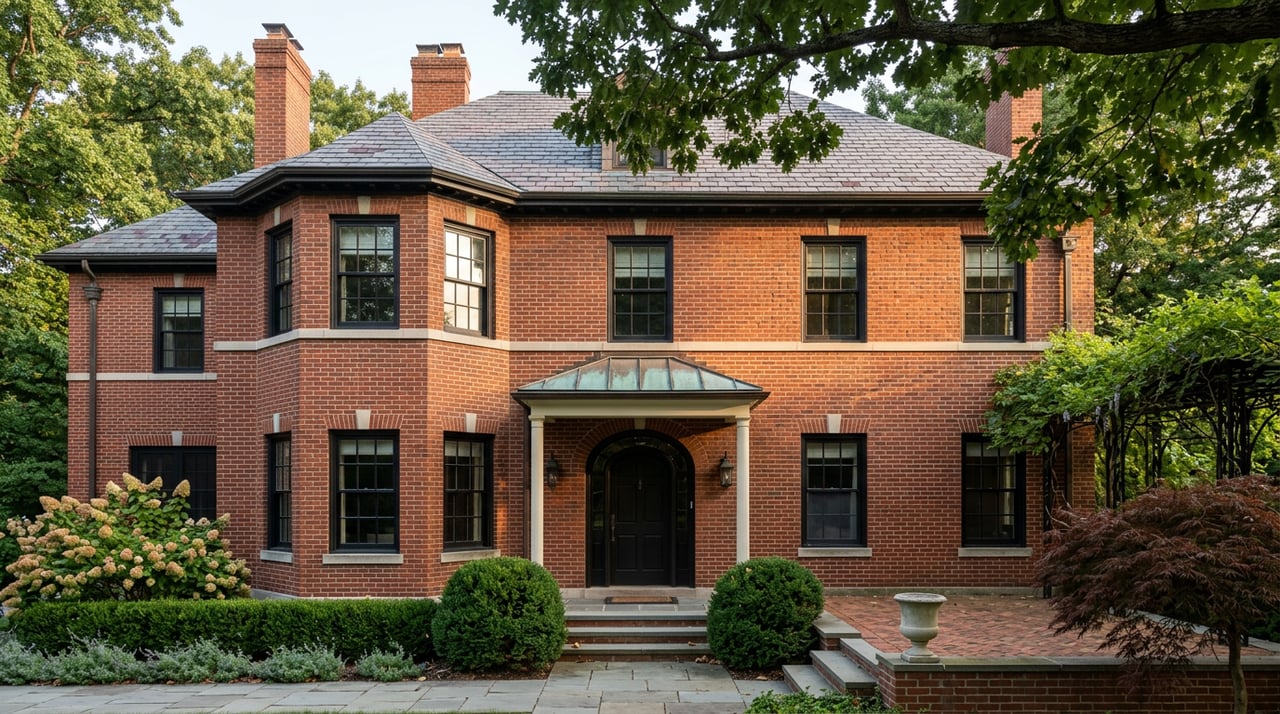
- South Park Hill sits closer to City Park, the Denver Zoo, and the Denver Museum of Nature & Science. You’ll see more continuous blocks of larger historic homes and broad, tree‑lined avenues.
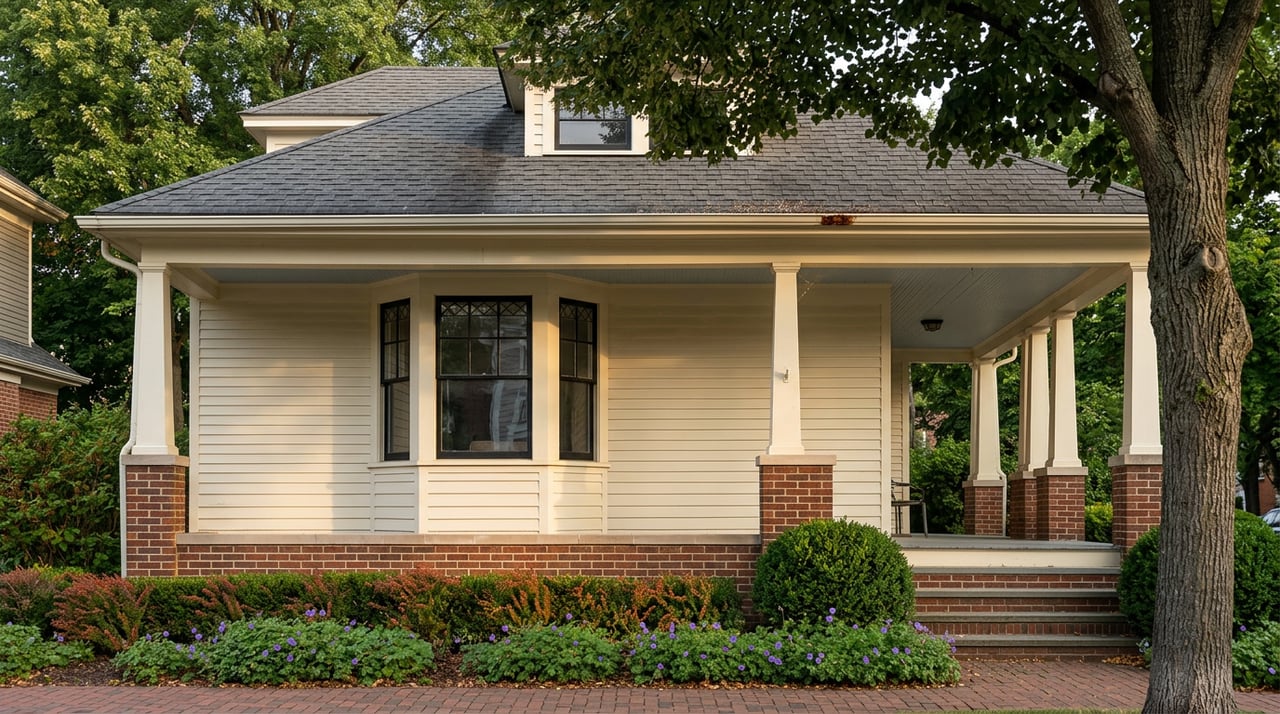
- North Park Hill mixes classic bungalows and Denver Squares with mid‑century ranches, especially as you move northeast. You’ll also spot more recent renovation and infill activity, which can create opportunities if you plan to expand over time.
Home styles and lots
Classic Park Hill styles
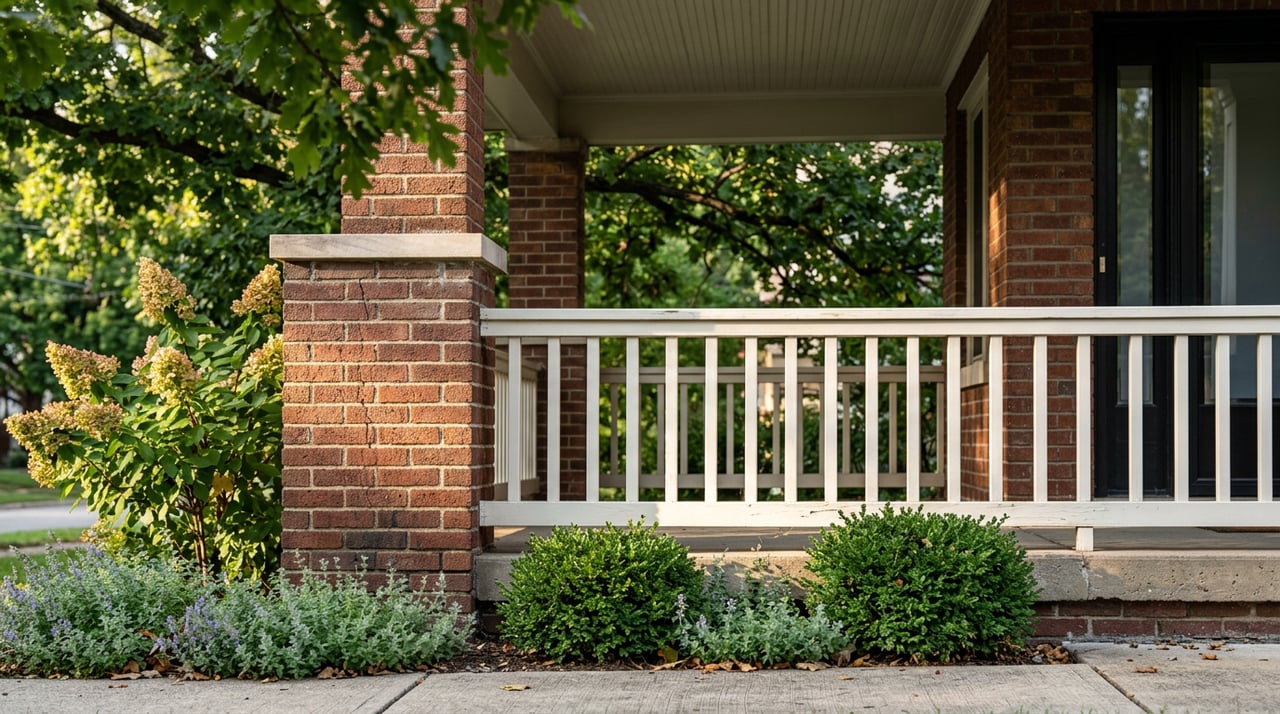
Park Hill began as a streetcar suburb first platted in 1887, with much of the housing built from the 1890s through the early 1940s. Expect a rich architectural mix: bungalows, American Foursquare (often called Denver Square), Tudor Revival, Colonial Revival, and Craftsman details. Local preservation efforts document this fabric and the push for historic‑district protections across parts of the original platted area.
Explore the architectural fabric and preservation efforts at Historic Park Hill
Size and lot signals
Across the historic core, you’ll find everything from compact alley houses around 750 square feet to mansions well over 6,000 square feet, with many homes between about 1,000 and 2,800 square feet. Parcels are typically urban in feel: deep lots that can be narrower than suburban standards, with porches and tree canopies that shape the street. This mix is why many Park Hill move‑up buyers either target larger historic homes or plan tasteful additions rather than teardowns.
Where to find more space
- South Park Hill: If you want immediate square footage, formal rooms, and wider lots closer to City Park, South Park Hill often fits the brief. You’ll likely pay a premium for that convenience and historic scale.
- North Park Hill: If you’re open to buying a smaller footprint and adding space, many blocks in the north offer a mix of classic homes and mid‑century stock that can be more approachable up front. That can free up budget for a quality renovation.
Prices and pace
Current medians to watch
Numbers vary by data vendor and time window, so use them as a guide and always note the date:
- Park Hill overall: Redfin reported a median sale price around $677,000 as of January 2026 and an average of roughly 38 to 40 days on market.
- North Park Hill: Redfin showed a median around $739,000 as of January 2026, while Zillow’s typical home value was closer to $634,000 in recent reporting. The gap reflects different data sets and neighborhood definitions.
- South Park Hill: Zillow’s recent neighborhood index showed a higher typical home value around $883,000, which aligns with the area’s larger historic homes and proximity to City Park.
Why the spread? Platforms track different homes, months, and boundaries. For your search, look at a range rather than a single number, and compare recent closed sales within a few blocks of any target property by date and condition.
What that means for you
- If you need size today, plan for a South Park Hill premium and focus on lot width, layout, and historic details already in place.
- If you like the idea of customizing, North Park Hill can offer better entry points for future additions or an ADU, subject to zoning.
- In both areas, block‑by‑block comps matter. Two Denver Squares on different lots or with different updates can vary widely in price per square foot.
Daily life and location perks
Parks and the new park
City Park is a signature amenity for South Park Hill in particular. It brings walking paths, water, the Zoo, and the Museum within easy reach, and that convenience often shows up in prices. Looking ahead, the former Park Hill Golf Course is under a city design process for a new ~155‑acre public park. The plan, now in the design phase, will influence recreation options, community programming, traffic patterns, and long‑term demand.
Track the Park Hill Park design process and community updates
Shops and eats
Park Hill is a collection of small neighborhood nodes rather than a single main street. On the 22nd and 23rd Avenue corridors you’ll find cafes and markets like Spinelli’s Market and Honey Hill Café, plus low‑key wine bars and restaurants. Montview and Colfax add more casual dining and services. South Park Hill enjoys quick walks or rides to City Park events, while North Park Hill offers straight shots east toward the larger retail of Central Park.
Commute and transit
Most residents rely on cars day to day, but RTD bus routes serve Colorado Blvd, Montview, and Colfax. For rail, the A‑Line and R‑Line hubs near Central Park are a short drive or a couple of transfers away, which is useful for downtown and DIA access. Routes change, so check current RTD maps before you plan a daily commute.
See a transit overview touching Montview and Colfax corridors
Schools and family life
Park Hill includes several Denver Public Schools elementary options that local families consider, including Park Hill Elementary, Smith Elementary (Smith Renaissance), Stedman, and Southmoor. Many families use the district’s choice system, and enrollment decisions can vary by program. Rather than relying on reputation, review current DPS tools and recent performance data as part of your decision.
Read a Chalkbeat report on school choice patterns and context in gentrifying Denver neighborhoods
Beyond classrooms, the area hosts long‑running neighborhood traditions like the Park Hill Home Tour and Art Fest, and nearby City Park’s Jazz in the Park series adds warm‑weather evenings to your calendar. These cultural touchpoints help define daily life across both North and South.
Browse a roundup of things to do in Park Hill and City Park
ADUs, additions, and permits
If a future expansion or rental option is part of your plan, you have a realistic path. Denver recently updated the zoning code to allow accessory dwelling units more broadly across the city, with details that vary by lot and zone. If your target property sits in a local landmark or historic district, factor in design review and additional steps on top of standard permits.
Review Denver’s citywide ADU policy and code update
Move‑up buyer checklist
Use this as a quick filter for any address you love:
- Verify North vs. South by street: E. 23rd Ave is the common dividing line many locals use. Confirm boundaries for the exact block.
- Study comps within a 6‑block radius and note dates. Use at least two data sources and compare by condition, lot width, and updates.
- Decide now: buy bigger today or add later? South Park Hill trends larger out of the gate. North Park Hill often presents renovation upside.
- Plan for ADU or addition feasibility. Check zoning, setbacks, utilities, and whether a historic overlay applies. Include extra time for design review if needed.
- Track the Park Hill Park timeline. Design choices, access points, and parking plans may affect how streets flow and how you use the new park.
- For schools, use DPS tools and recent reports. Consider choice options along with commute and childcare needs.
- Walk the retail nodes you’ll use most. Visit 22nd/23rd corridors, Montview, and Colfax at different times of day to gauge your routine.
Ready to compare specific homes, walk blocks, and map out renovation paths with a design‑savvy plan? Reach out to Kelli Barton for a high‑touch, data‑driven search and to receive exclusive listings in your inbox.
FAQs
Is South Park Hill usually pricier than North Park Hill?
- In recent reporting, South Park Hill shows a higher typical value than North Park Hill, and Redfin’s January 2026 medians support a premium for South. Always compare by date, lot width, and condition.
What home styles can you expect in Park Hill?
- You’ll commonly see bungalows, Denver Squares, Tudor and Colonial Revival, and Craftsman details, reflecting the area’s late‑19th to early‑20th century buildout.
How will the new Park Hill Park affect home values?
- Large parks often boost amenity value, but outcomes depend on final design, access, and community plans. Follow the city’s design phase updates to stay informed.
Can you add an ADU in Park Hill?
- Many lots can qualify under Denver’s citywide ADU policy, subject to zoning and site rules. Historic overlays may add design review steps, so check requirements early.
What commute options do Park Hill residents have?
- Most drive, with RTD bus routes along Colorado Blvd, Montview, and Colfax. The A‑Line and R‑Line near Central Park offer rail access to downtown and DIA after a short drive or transfers.