Looking for a Denver neighborhood that feels close to everything without feeling busy all the time? Observatory Park and University Park offer that rare balance. If you want residential calm, quick access to the University of Denver, and a setting shaped by historic homes, mature streets, and a real neighborhood park, this area deserves a closer look. Let’s dive in.
Why this area stands out
Observatory Park and University Park sit next to the University of Denver, but they do not read like a dense campus district from block to block. The University of Denver describes the campus as being in a quiet corner of the city, with Observatory Park only a few blocks away. That helps explain why the area can feel connected and convenient while still holding onto a calm, residential rhythm.
You can also see that contrast in how the neighborhood is laid out. Denver’s University Park neighborhood plan shows that the interior blocks are largely residential, while more mixed-use and campus-oriented activity appears along South University Boulevard and South Colorado Boulevard. In practical terms, you get quieter interior streets with easier access to shops, restaurants, and everyday errands on the edges.
Observatory Park gives the area identity
Chamberlin Observatory is one of the clearest landmarks in the neighborhood. The University of Denver says it established the observatory in 1890 and has hosted public nights there since 1894. That long history gives the park and surrounding blocks a sense of place that feels distinct from many other Denver neighborhoods.
The park itself also has deep roots. Denver’s historic inventory describes Observatory Park as one of the original seminary-laid-out parks in University Park and the only one fully developed as a park. That history still shapes the feel of the area today, especially if you value established neighborhood character and open space at the center of daily life.
What daily convenience looks like here
One of the biggest draws is how easy it is to move through the area without giving up a residential setting. DU highlights the Evans and University intersection as a practical hub for restaurants, coffee shops, convenience stores, and late-night food. For many buyers, that means everyday needs are close by without changing the feel of the interior neighborhood.
Transit also matters here. DU points to the DU Station and the area’s car-light mobility, which can be a major plus if you want options for commuting, campus access, or getting around Denver with less driving. That kind of flexibility often adds value for both full-time residents and owners thinking long term.
Housing is mostly detached and residential
If you are searching for a classic neighborhood feel, the land-use pattern helps explain why this area stands out. Denver’s neighborhood plan reports that about 69 percent of net acreage in University Park is single-family. By comparison, multifamily development over 9 units accounts for 5 percent, 2 to 8 unit housing makes up 2 percent, and retail and services account for just 2 percent.
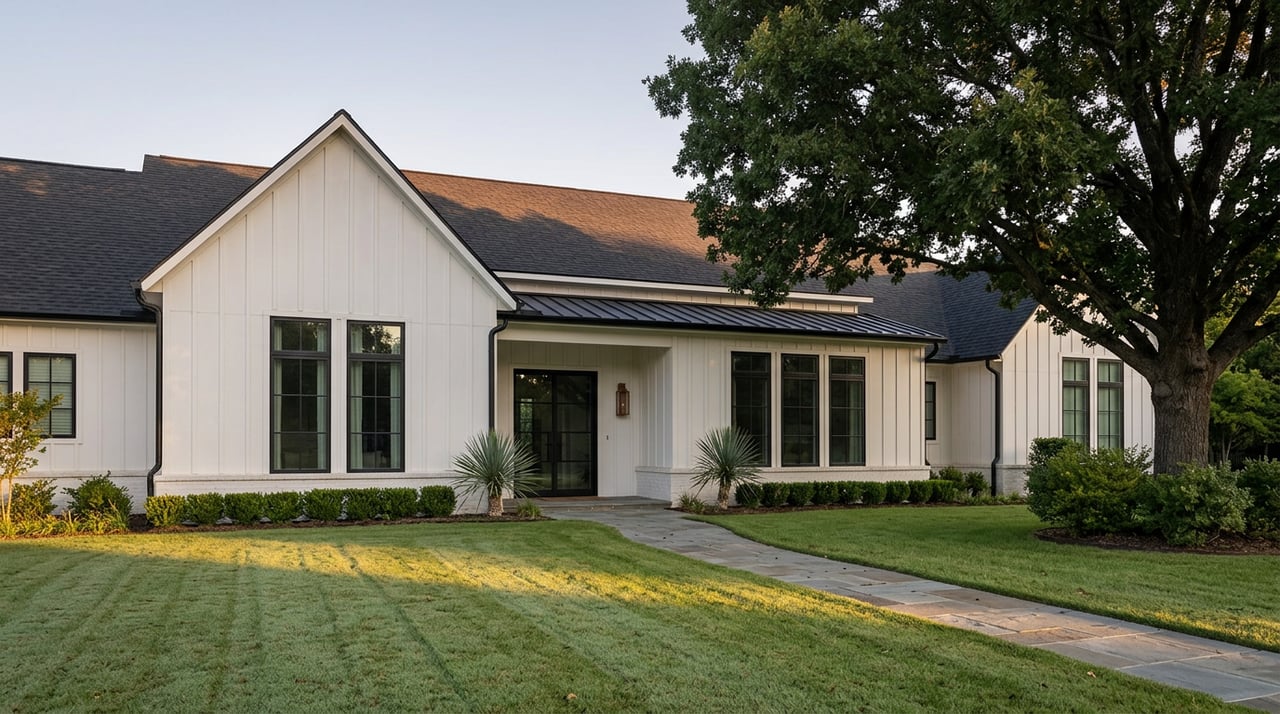
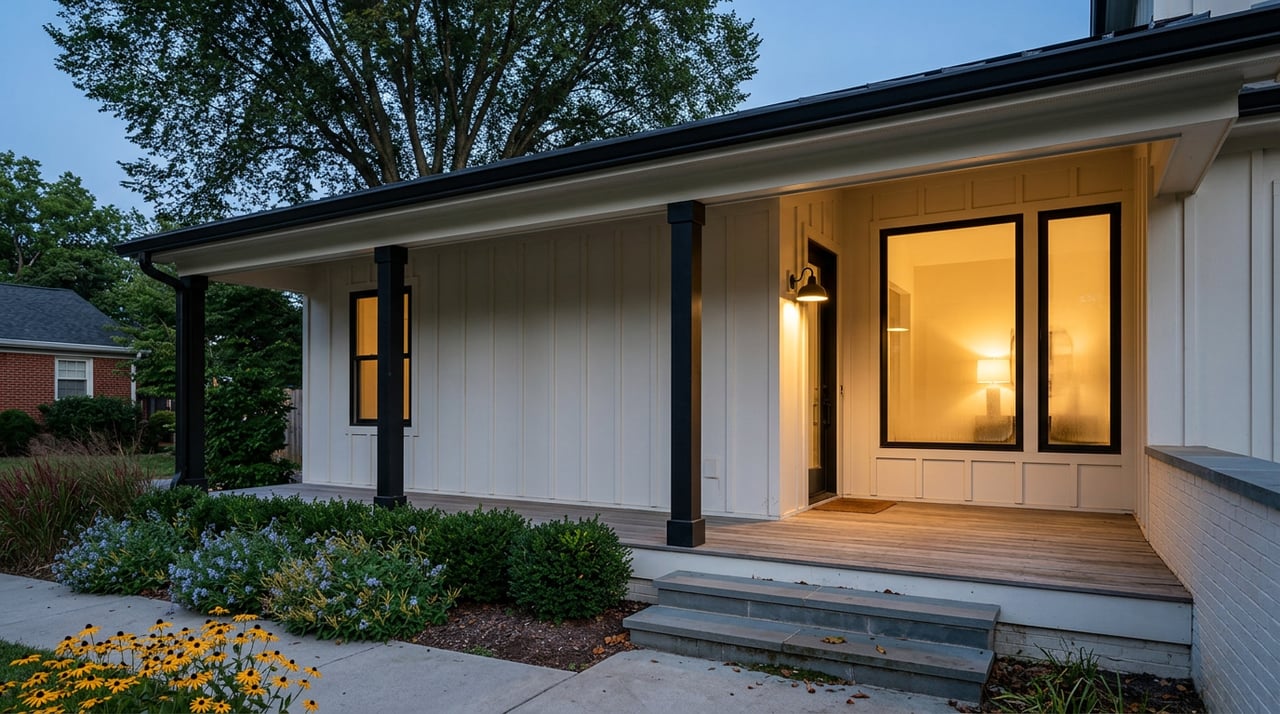
That mix matters because it shapes how the neighborhood feels on the ground. The plan notes that interior blocks between Columbine and Jackson are almost exclusively single-family, while denser and more mixed uses appear along major corridors. So even though you are close to campus and commercial activity, much of the neighborhood remains centered on detached homes and quieter residential streets.
Home styles reflect a long local history
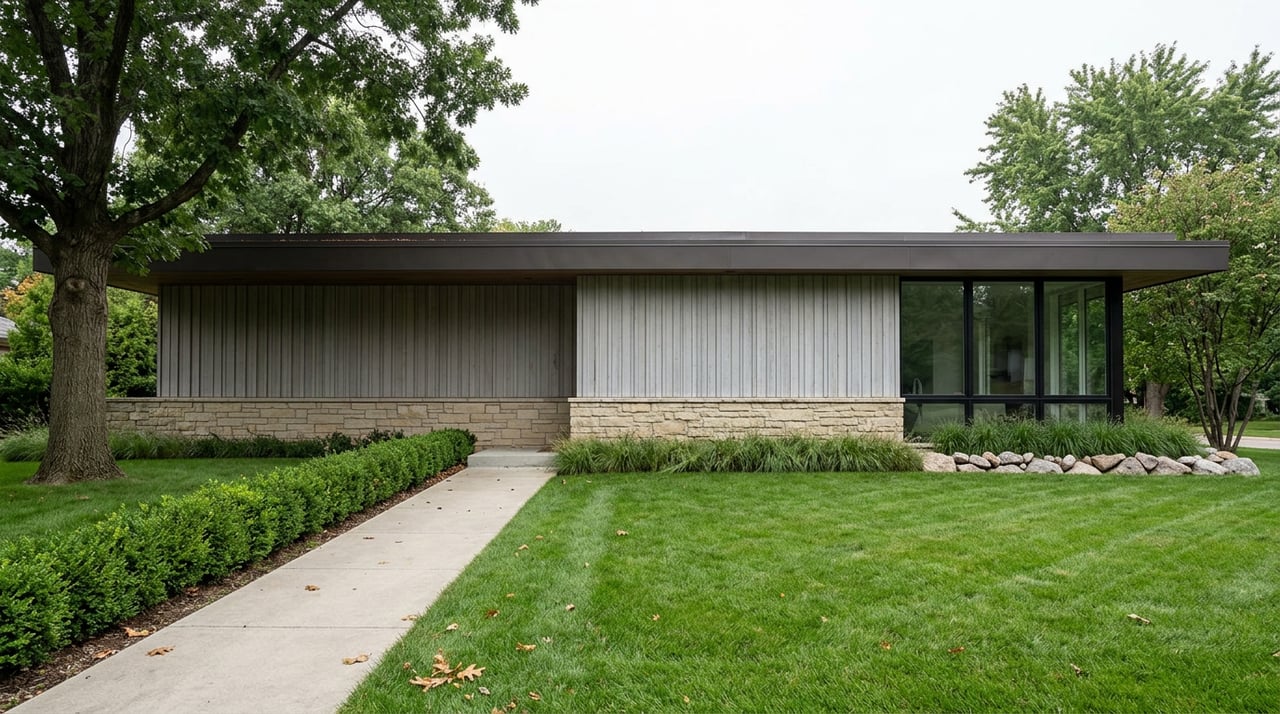
This part of Denver is not one-note in its architecture. Denver’s historic inventory describes a range of early and mid-century homes, including transitional Foursquares or Denver Squares, Richardsonian Romanesque examples, and later Modernist properties. For buyers who care about design, that variety can make the home search more interesting.
The area also includes larger landmark-quality homes and residences tied to the neighborhood’s long relationship with DU. The inventory notes that many of the earliest homes face Observatory Park, including homes along Professors Row on South Milwaukee Street. That connection reinforces the neighborhood’s blend of academic history, residential permanence, and architectural character.
Who tends to be drawn here
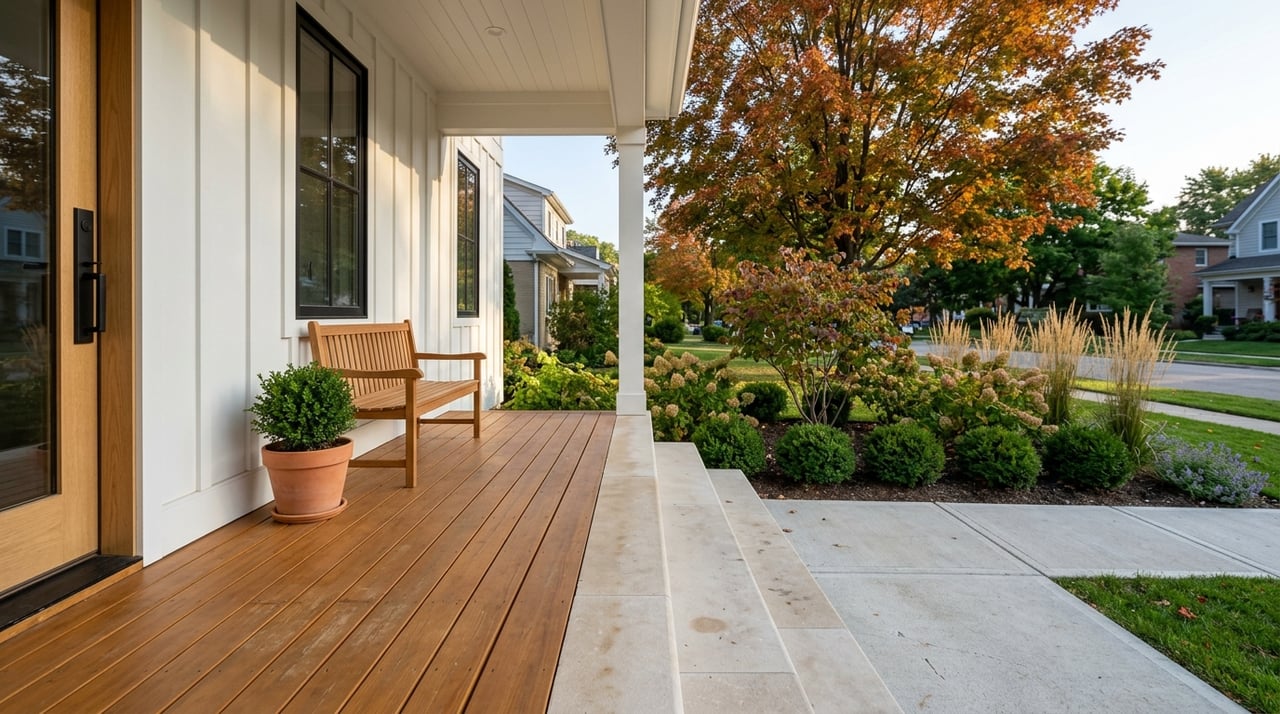
This area often appeals to buyers who want a primary residence in a quieter setting near central amenities. Because the interior streets are overwhelmingly single-family and the park sits at the center of the neighborhood, the overall environment feels more residential than commercial. That makes it a natural fit for people looking for space, neighborhood continuity, and proximity to DU.
University-connected buyers may also find the location especially practical. The neighborhood’s history is closely tied to DU faculty and early campus development, and today the observatory and surrounding area still reflect that relationship. If you want to live near campus without living in the middle of constant activity, this location offers a compelling middle ground.
Long-term investors may see opportunity here too, especially near the more mixed-use edges. The neighborhood plan identifies campus-related uses near DU student activity, and DU’s own neighborhood guide points to easy car-light movement in the area. That does not make Observatory Park or University Park a pure rental district, but it does support the idea of durable rental demand in a DU-adjacent location.
What buyers should know about rentals
If you are considering a property here as a long-term rental, Denver has specific rules you need to factor into your plan. The city requires a residential rental property license for any building, structure, or accessory dwelling unit rented as a residence for 30 days or more. A passing inspection from a certified private home inspector is required, and the license is valid for four years unless ownership changes.
Denver also requires landlords to show the license number in advertisements and keep contact information current with the city. The city states that unlicensed properties can be fined and cited. If you are evaluating a home for future lease potential, these steps should be part of your upfront due diligence.
For smaller holdings, the rules can still apply at the unit level. Denver says single-unit properties require a license, and ADUs or basement apartments with a separate entrance, kitchen, and full bathroom also require a license. The city also requires tenants to receive Denver’s Tenant Rights and Resources document when the lease is signed.
Renovation can involve extra review
Many buyers are drawn to this area because of its older homes and architectural charm. That can be a real advantage, but it can also affect renovation plans. If a property is individually designated as a landmark or sits within a historic district, Denver reviews exterior work and other permit-triggering changes through Landmark Preservation.
That extra review can apply to additions, garages, fences, site work, and other exterior updates. If you are buying with plans to remodel, expand, or materially change the exterior, it is smart to understand those steps early. In a neighborhood where history is part of the value, preservation review can shape both budget and timeline.
Why the area feels balanced
The best way to describe Observatory Park and University Park is balanced. You get a historic park core, a strong concentration of detached homes, and an established neighborhood pattern that feels residential first. At the same time, you are only minutes from campus activity, transit, dining, and daily conveniences.
That balance is what keeps this pocket of Denver so appealing. It can work well for buyers who want calm streets and architectural character, sellers who own design-forward or distinctive homes, and owners who are thinking carefully about long-term value near DU. In a city where convenience often comes with more noise and density, this neighborhood offers a different kind of proximity.
If you are considering a move in Observatory Park or University Park, working with a local expert can help you weigh block-by-block feel, property character, renovation considerations, and long-term positioning. To explore opportunities with a polished, concierge-level approach, connect with Kelli Barton.
FAQs
What is it like to live near Observatory Park in Denver?
- Living near Observatory Park offers a residential setting with detached homes, mature neighborhood character, and close access to the University of Denver, nearby dining, coffee shops, and transit.
What types of homes are common in University Park and Observatory Park?
- The area is primarily single-family, with many detached homes on the interior streets and more concentrated multifamily or mixed-use options along major corridors like South University Boulevard and South Colorado Boulevard.
Is Observatory Park close to the University of Denver?
- Yes. The University of Denver describes Observatory Park as only a few blocks from campus, making it a convenient location for people who want to stay close to DU.
Can you rent out a home in Observatory Park or University Park?
- Yes, but Denver requires a residential rental property license for homes, dwelling units, and certain ADUs rented for 30 days or more, along with inspection and advertising compliance requirements.
Do older homes in University Park have renovation restrictions?
- Some do. If a property is a designated landmark or located in a historic district, Denver may require Landmark Preservation review for exterior changes and other permit-triggering work.