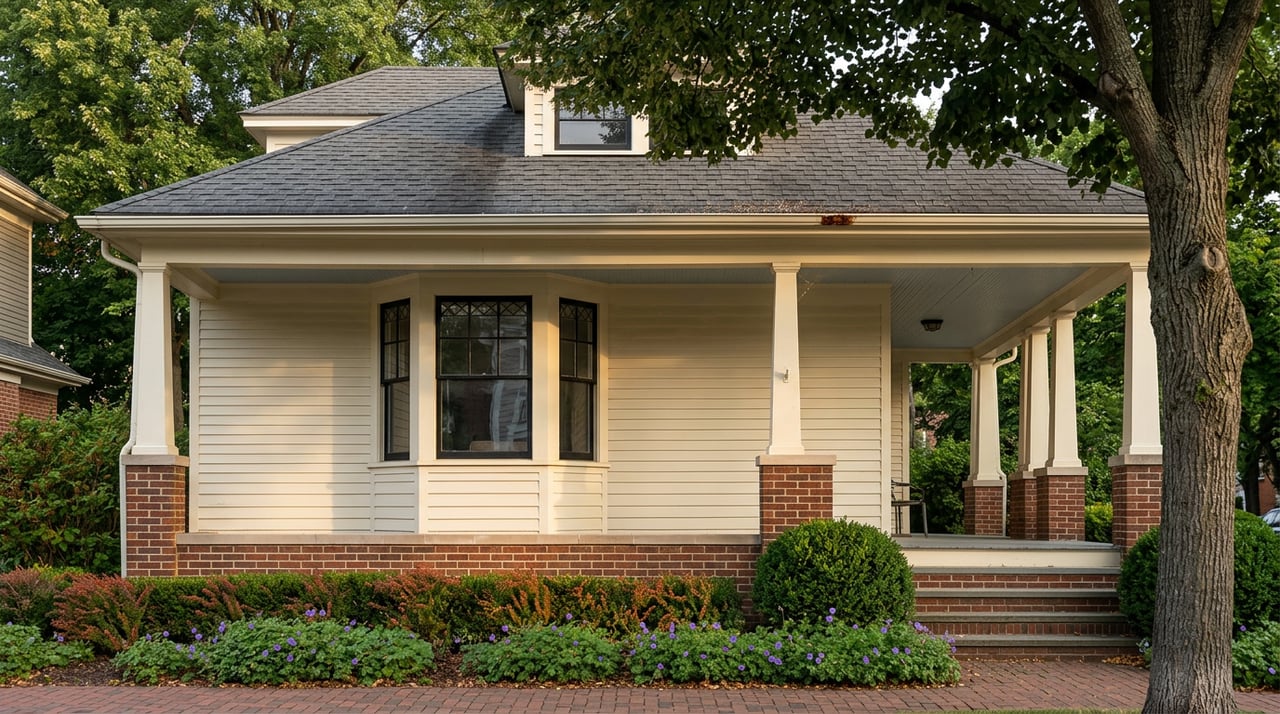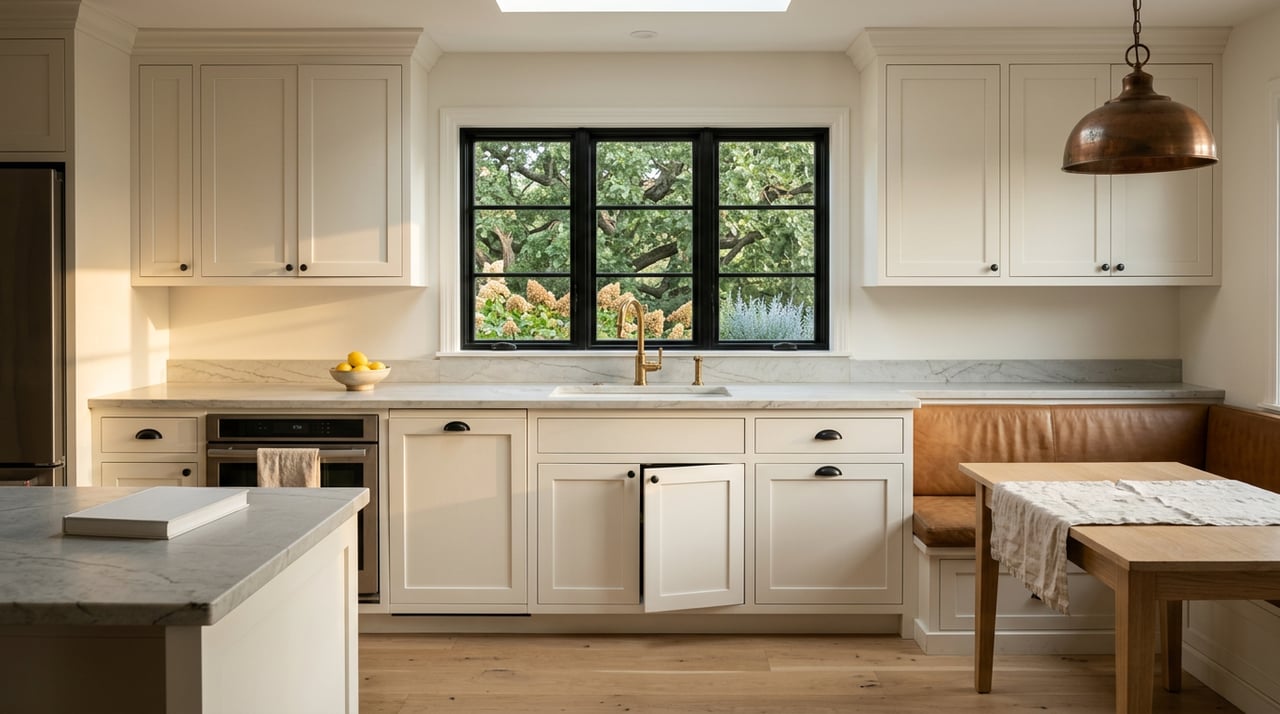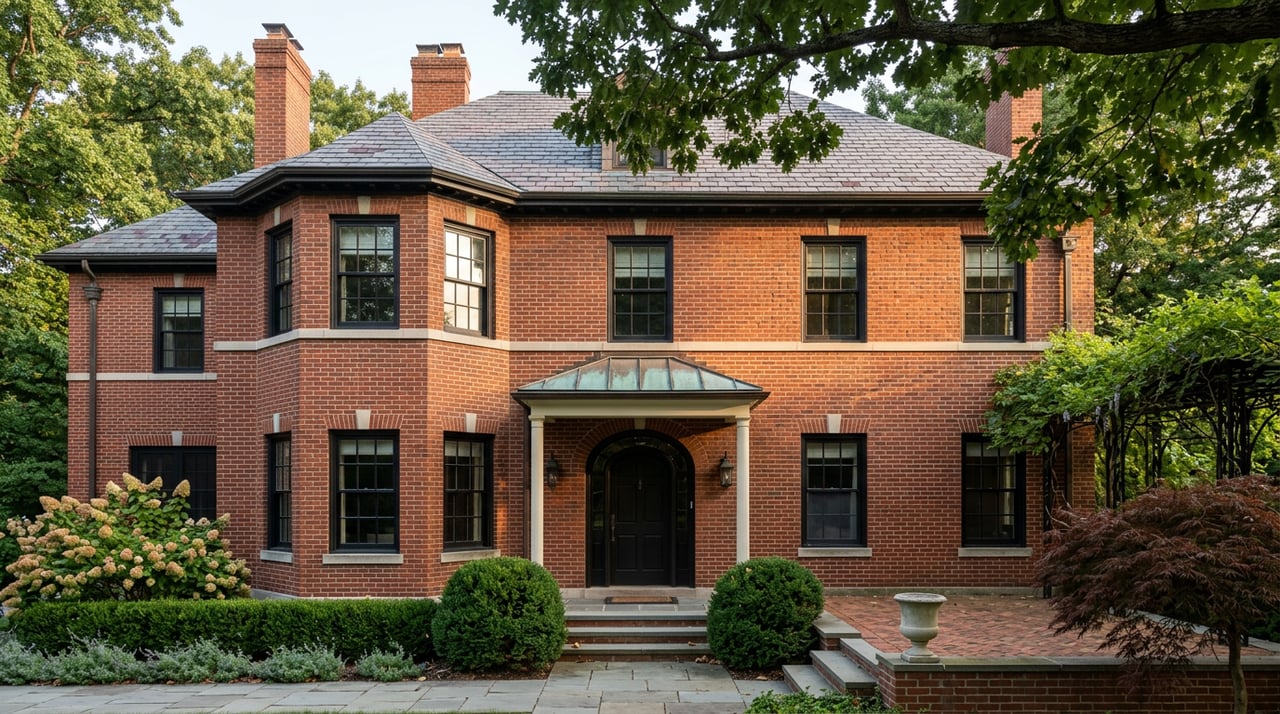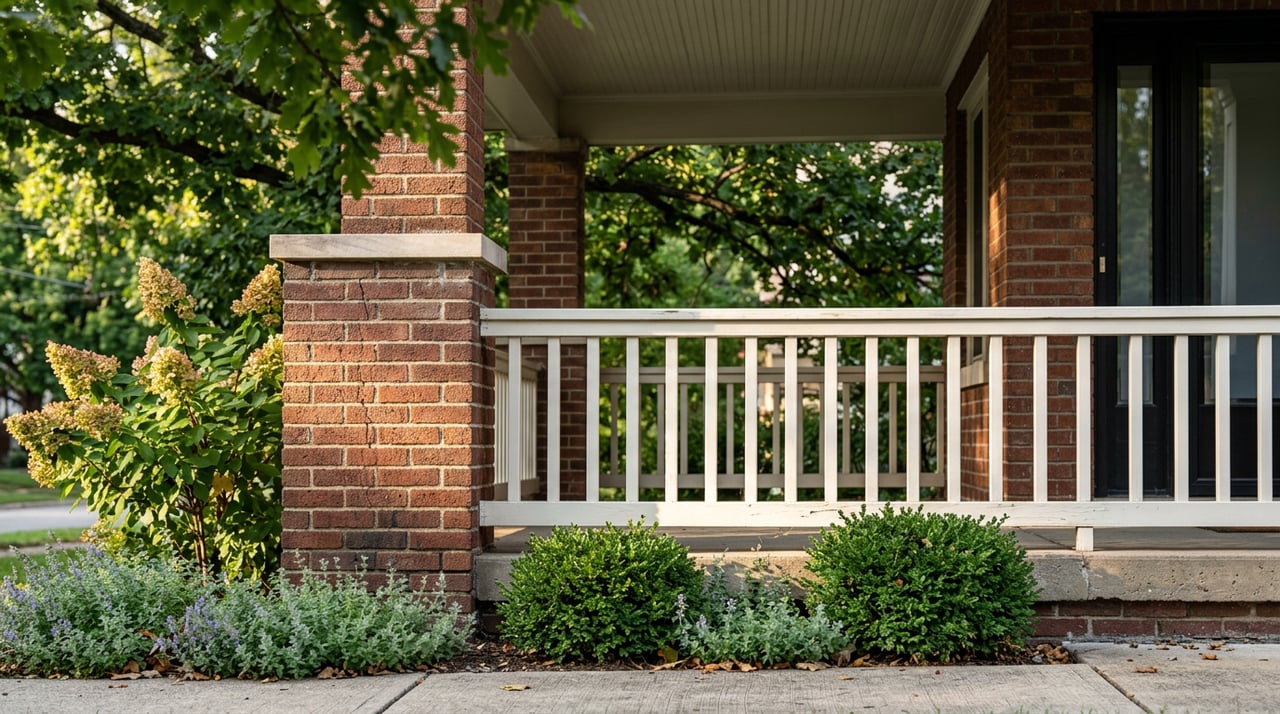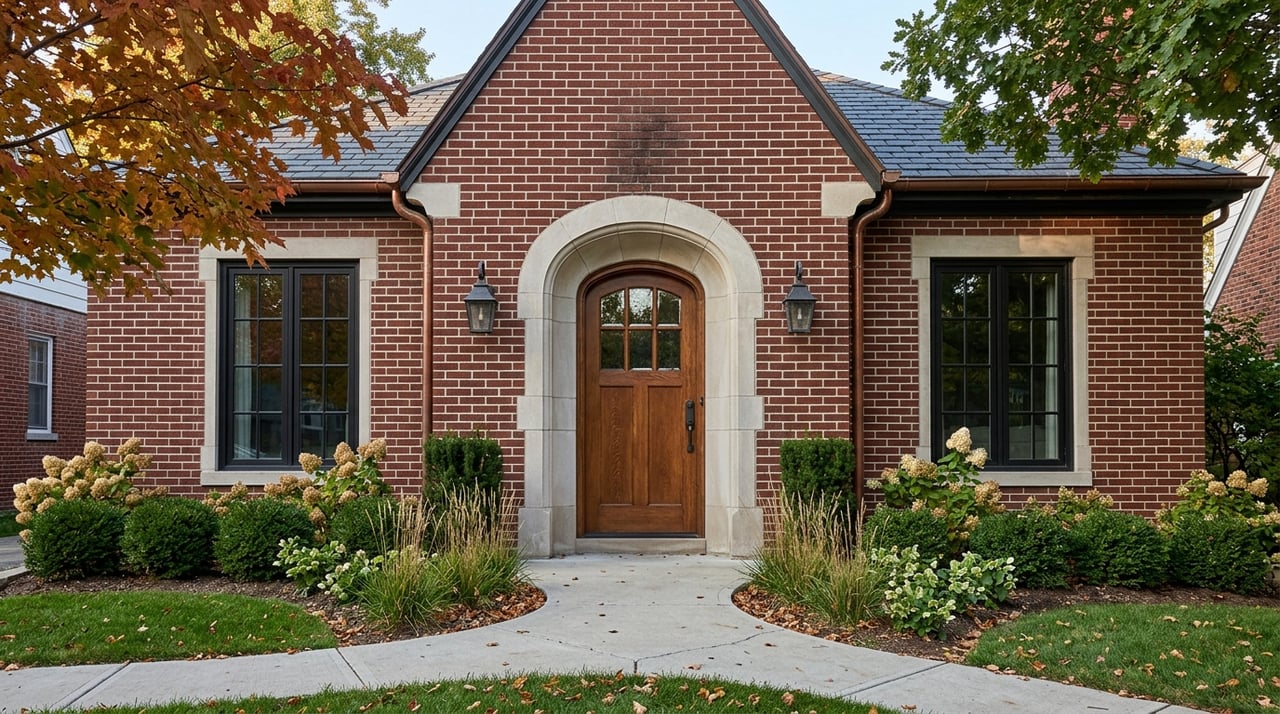
If you are selling a historic home in Denver Country Club, the goal is not to make it feel brand new. The goal is to present its character, condition, and story in a way today’s buyers can immediately understand. In a neighborhood where architecture, setting, and preservation standards all shape value, the right pre-listing decisions can help you protect both your timeline and your price. Let’s dive in.
Why Denver Country Club is different
Denver Country Club is not just a luxury neighborhood. It is a locally designated historic district with deep architectural significance and a distinct physical character.
The Country Club Historic District was designated by the City of Denver as a Landmark District in 1990, and the western half was listed in the National Register in 1979. The district includes about 380 residences, with most homes built between 1902 and 1945. The city describes the area as a collection of large homes on large lots with a park-like feel.
That setting matters when you sell. Buyers are not only evaluating your house. They are also responding to the lot, the streetscape, the setbacks, the landscaping, and the way the home fits into the broader district.
Historic character drives buyer appeal
Denver Country Club features a wide mix of architectural styles, including Denver Squares, Colonial Revival, Mediterranean Revival, Gothic examples, and other eclectic revival styles. Many homes were designed by notable local architects, including Fisher and Fisher, Benedict, Biscoe, Gove and Walsh, and Varian and Sterner.
For sellers, that architectural pedigree is a real advantage. In today’s market, buyers at this price point often respond to craftsmanship, authenticity, and homes with a clear sense of place.
That means your home’s original details are not just decorative. They may be part of the reason a buyer chooses your property over another luxury option in central Denver.
Know your subdistrict before you list
The Country Club Historic District is organized into four subdistricts:
- Park Club Place
- Country Club Place
- Country Club Annex
- Park Lane Square, also called New Country Club
These distinctions matter because the streetscape changes from one area to another. Some blocks include tree lawns and detached sidewalks, some feature landscaped parkways and gateways, and Park Lane Square is known for curving streets and the historic absence of sidewalks.
When your home is marketed well, those site-specific details help buyers understand what makes your property unique within the neighborhood. They also shape what exterior changes may feel compatible with the block.
What sellers need to know about design review
One of the biggest mistakes a historic-home seller can make is assuming any exterior improvement will automatically add value. In Denver Country Club, exterior work is reviewed through Denver Landmark Preservation, and the district-specific guidelines can be more restrictive than the general citywide landmark rules.
If exterior work requires a building, zoning, encroachment, or curb-cut permit, Landmark approval must come before the permit is issued. The city updated its general landmark design guidelines in February 2026, but those updates do not override the customized Country Club guidelines.
For you as a seller, the takeaway is simple: visible exterior work should be approached carefully. If you are planning updates before listing, compatibility matters as much as quality.
Best pre-listing updates for historic homes
In this district, the safest pre-listing improvements are usually repair-focused, maintenance-minded, and visually compatible with the home’s period character. Buyers tend to notice the features that define the property first, and the district guidelines emphasize preserving exactly those elements.
Focus first on items like:
- Porches and entries
- Original or character-defining windows
- Roof form and roofing condition
- Masonry and wood details
- Fences and site walls
- Mature landscaping and tree lawns
- Overall site openness and curb appeal
The district’s appearance comes from more than the structure itself. Open front yards, broad side yards, gateways, and mature landscape features all help create the spacious feel that defines Denver Country Club.
Updates that can create problems
Before spending money on an exterior refresh, it is important to know what the city does not allow in historic districts. Denver states that vinyl siding, aluminum siding, molded plastic siding, thin brick veneer, EIFS, vinyl windows, faux-grain wood textures, and windows with internal or glued-on muntins are not allowed on historic district properties.
That means a quick cosmetic swap may not only miss the mark with buyers. It may also create review issues that delay your sale preparation.
Front-yard privacy changes can also be sensitive. The district guidelines support low, visually open front-yard fences, and the city notes that front-yard fences over 40 inches are inappropriate in this district context.
Additions, garages, and exterior changes
If your home already has a past addition or you are considering one before a future sale, placement matters. In general, the district guidelines favor additions that are located at the rear or side of the house and sized to minimize impact on the structure and site.
The same compatibility principle applies to garages, curb cuts, setbacks, and front-yard openness. Rear garages, narrow curb cuts, and broad front and side setbacks are more consistent with the district’s character.
If major exterior work is on your radar, a pre-application meeting with Landmark staff is recommended. Smaller projects may be reviewed administratively, while larger or more visible proposals may go to the Landmark Preservation Commission.
Window questions buyers often ask
In historic homes, windows are always a conversation point. Buyers may ask whether older windows can be replaced, what has already been updated, and whether future changes will be restricted.
In Denver Country Club, compatible treatment remains important. Vinyl windows and glued-on muntin products are not allowed, and character windows and front facade doors remain especially sensitive under Denver’s landmark guidance.
If your home has preserved original windows or historically compatible replacements, that should be part of the listing story. It signals care, design awareness, and alignment with the district.
Pricing in a more selective luxury market
Even in a prestigious neighborhood, pricing still matters. As of March 2026, Realtor.com shows Denver Country Club as a balanced market with a median listing price of $2,647,500, median days on market of 42, and homes selling for about 1.14 percent below asking on average.
That tells you buyers are engaged, but they are also discerning. A premium address alone does not guarantee a premium outcome.
The broader luxury market supports that view. According to DMAR’s March 2026 report, detached homes above $2 million in the Denver metro had 5.64 months of inventory, and inventory reached its highest level in more than a decade. At higher price points, buyers have more options and more leverage.
How to position a historic home correctly
The strongest marketing angle for a Denver Country Club listing is usually not “old but updated.” It is historic character with thoughtful stewardship.
Buyers in this segment are often drawn to provenance, craftsmanship, mature landscaping, generous lots, and visible preservation of original elements. When those features are paired with tasteful modern updates that do not erase the home’s identity, the result is often much more compelling than a heavily altered presentation.
This is where thoughtful listing strategy matters. You want buyers to understand not only what has been improved, but also what has been preserved.
What to include in your listing package
A strong listing package should document approved exterior work and make the home’s historic character easy to see. If updates were reviewed and approved, that information can help reassure buyers who are unfamiliar with the district process.
Your visual marketing should also go beyond interiors. In Denver Country Club, it is especially important to photograph and present:
- Masonry textures and exterior materials
- Rooflines and architectural massing
- Porches, entries, and front doors
- Gates, site walls, and fences
- Tree lawns and mature landscaping
- The relationship between the house and its lot
This type of presentation helps a buyer connect with the full property experience. It also supports the narrative that the home belongs in an architecturally significant district and has been cared for accordingly.
Why concierge selling matters here
Selling a historic luxury home often involves more moving parts than a standard listing. You may need guidance on which repairs are worth doing, which ones should wait, and how to present the home without over-improving it.
That is where a concierge-style approach can make a real difference. With the right strategy, you can coordinate vendors, streamline preparation, elevate photography and video, and bring the home to market with a polished story that speaks to the right buyer.
In a neighborhood like Denver Country Club, details matter. The more clearly your home’s architecture, condition, and preservation story are communicated, the easier it becomes for buyers to recognize its value.
If you are thinking about selling a historic home in Denver Country Club, working with a local expert who understands both luxury marketing and the nuances of the district can help you make smarter pre-listing decisions and bring your home to market with confidence. Connect with Kelli Barton for a tailored selling strategy built around presentation, discretion, and results.
FAQs
What makes a home in Denver Country Club historic?
- Homes in the Country Club Historic District are part of a locally designated Denver Landmark District, and most residences in the district were built between 1902 and 1945.
Do exterior changes in Denver Country Club need city approval?
- Many exterior changes do. If the work requires a building, zoning, encroachment, or curb-cut permit, Denver Landmark Preservation approval must be obtained before the permit is issued.
What pre-listing improvements are safest for a historic home in Denver Country Club?
- Repair, maintenance, and compatibility-minded updates are usually the safest choices, especially for porches, entries, windows, masonry, roofing, wood details, fences, and landscaping.
Can you replace windows in a Denver Country Club historic home?
- Window changes must be compatible with the district guidelines, and vinyl windows plus windows with internal or glued-on muntins are not allowed in Denver historic districts.
Are tall privacy fences allowed in front yards in Denver Country Club?
- Front-yard fences are generally expected to remain low and visually open, and the city notes that front-yard fences over 40 inches are inappropriate in this district context.
How should you price a historic home in Denver Country Club?
- Pricing should reflect both the home’s architectural value and current market conditions, since March 2026 data shows a balanced neighborhood market and a more selective luxury buyer pool at higher price points.