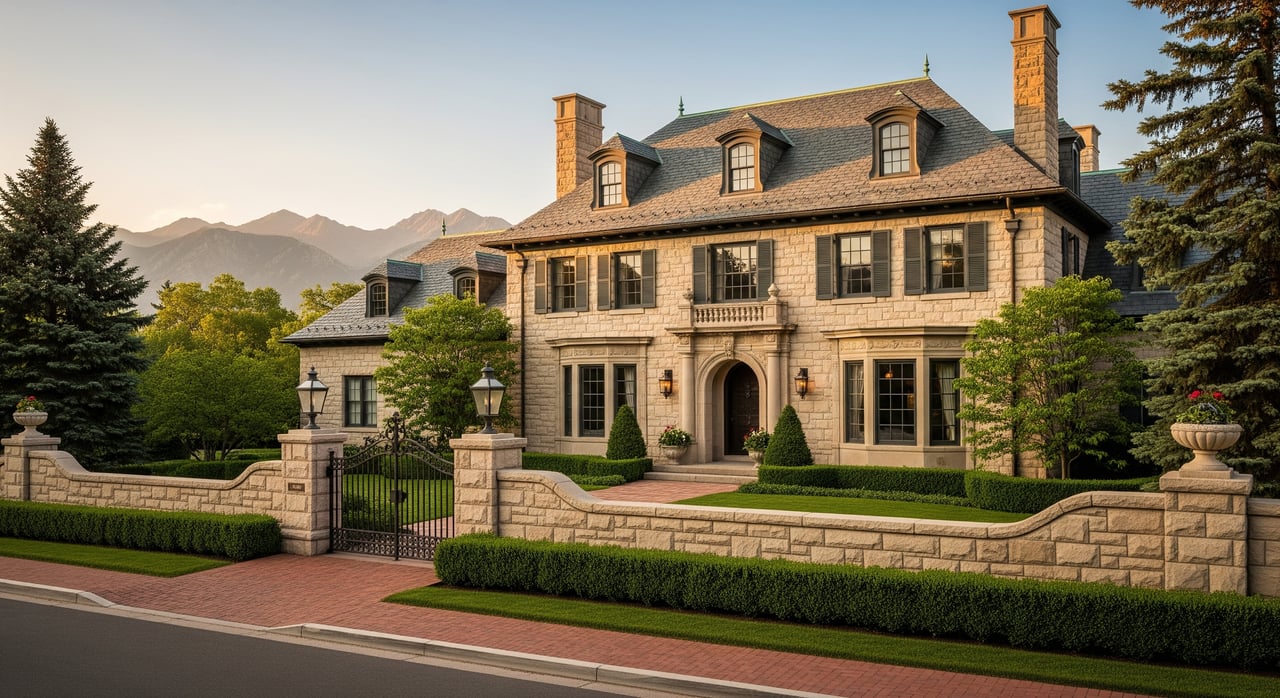
Considering a home in Denver Country Club or planning a renovation on your 80218 property? You are not alone. The architecture and tree-lined streets are a big draw, but the historic district adds a layer of review that can affect your timeline and design choices. In this guide, you will learn what designation means for you, how the design review process works, common exterior issues, and practical steps for buyers and sellers. Let’s dive in.
What a historic district means in Denver
Owning in a local historic district focuses on what you see from the street. The district protects exterior character that is visible from the public right-of-way, including roofs, windows, porches, additions, fences, and visible equipment. Interior work is usually outside review unless an interior landmark designation applies.
It helps to separate local and federal layers. A National Register listing recognizes significance and can open doors to incentives for income-producing rehab. It does not regulate private owners unless federal funds or permits are involved. Local landmark designation is what triggers mandatory design review.
When you change the exterior, you will likely need approval before a building permit. Most projects receive a Certificate of Appropriateness, often called a COA, if they meet the city’s standards. Maintenance and in-kind repairs are typically simpler, especially when you keep original materials and profiles.
Design review basics
When you need approval
Plan to seek review for visible exterior work. Typical triggers include roof replacement, siding, windows and doors, porch alterations, additions, new construction, garage work, fences, and any visible mechanical or solar equipment. Routine maintenance in the same material and profile is commonly the fastest path.
Typical steps to approval
- Pre-application check-in. Meet with Landmark Preservation staff early to confirm scope, likely approach, and what to submit.
- Staff review for minor work. Many small items and in-kind repairs are approved administratively when they follow established guidelines.
- Commission hearing for major changes. Large additions, demolition, or new construction usually require a public hearing before the Landmark Preservation Commission.
- Decision and COA. You may receive approval, approval with conditions, or denial. Approved projects receive a COA to include with permit applications.
- Appeals. Decisions can be appealed under city procedures.
What to include in an application
- Site plan and context photos that show your house and adjacent properties
- Existing and proposed elevations, plus roof plans
- Material specifications and color samples
- Photos of existing conditions and a brief condition survey if needed
- Scaled drawings that show how an addition fits the massing and streetscape
- For demolition, documentation of condition and justification
Timelines to expect
Administrative approvals often take a few weeks, commonly 2 to 6 weeks if you submit complete materials. Commission reviews take longer. Plan for several weeks to a few months to meet deadlines, public notice, and hearing schedules. You will still need time for building permits after a COA, so total project duration can extend.
Project complexity, staff workload, and revisions all affect timing. Start early and pad your schedule to reduce surprises.
Emergency fixes
Most programs allow temporary stabilization for urgent problems, such as tarping a roof or shoring a porch. Notify preservation staff promptly and follow with a formal application for permanent repairs.
Common exterior issues in Denver Country Club
Windows
Full replacement with modern vinyl windows is often discouraged because it changes profiles and sightlines. Repair of original wood windows or replication of the historic profile is typically preferred. High-quality wood or wood-clad replacements that match muntin patterns and dimensions may be acceptable.
Porches and entries
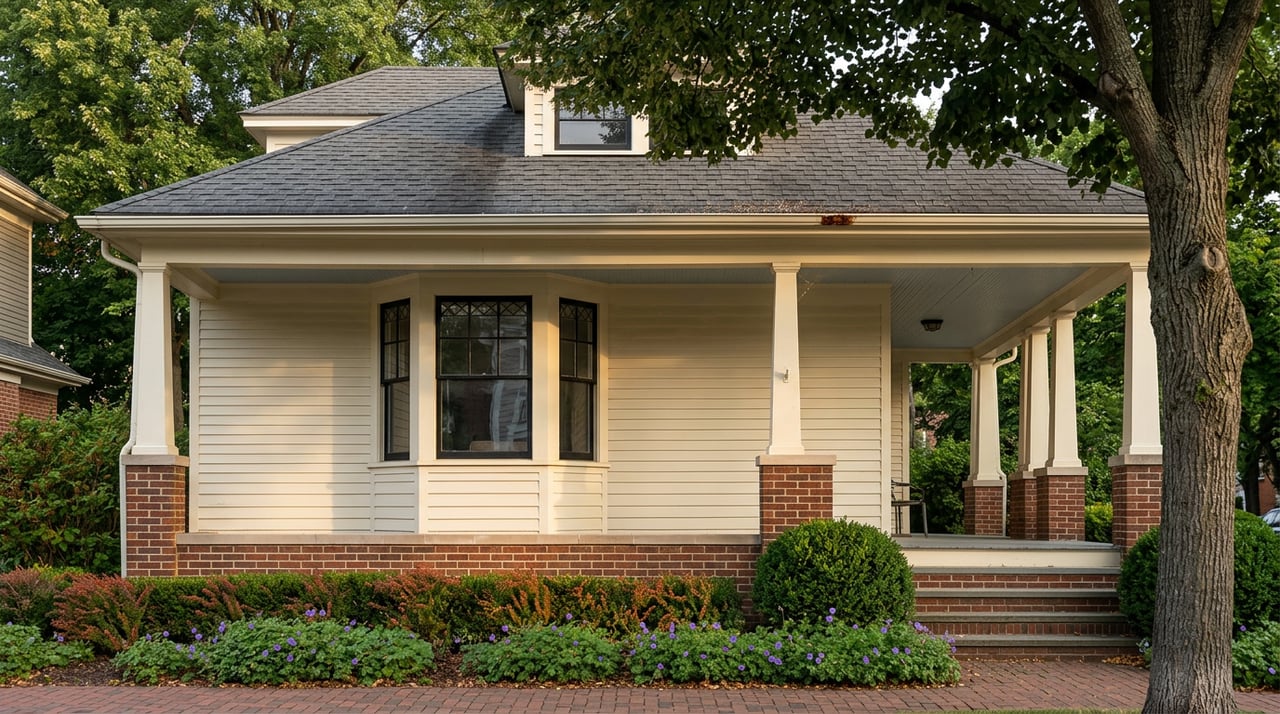
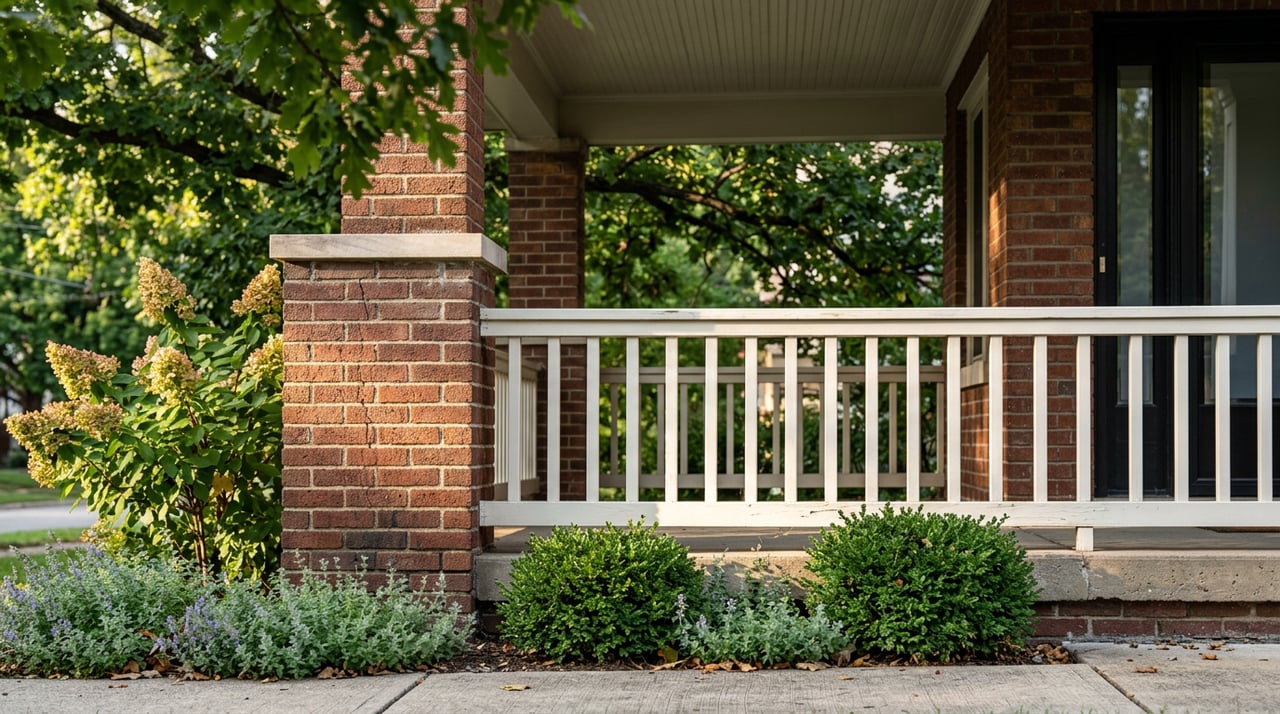
Front porches are character-defining. Enclosing or significantly altering a primary porch is frequently restricted. Expect to maintain columns, balustrades, stairs, and trim that define the façade rhythm.
Additions and new construction
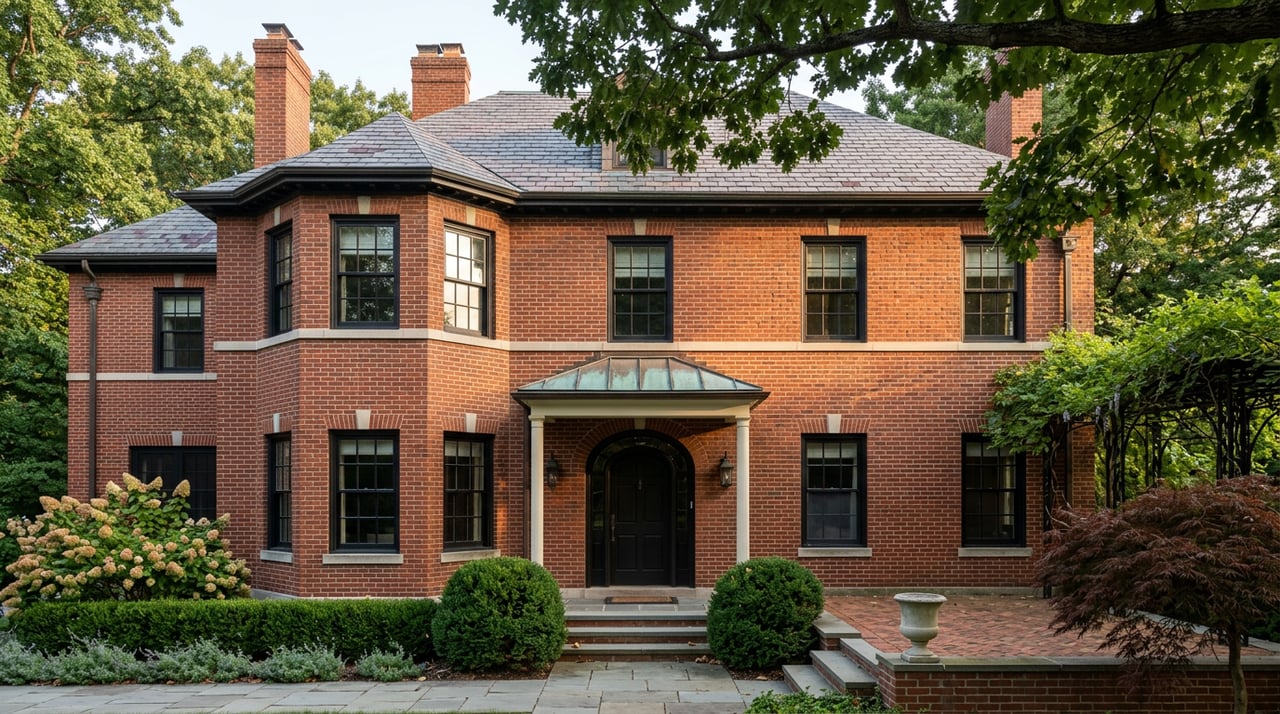
Additions should be compatible in scale and clearly subordinate to the primary house. Side or rear additions that are minimally visible from the street usually review more smoothly. New infill should echo surrounding massing, setbacks, and materials while remaining distinguishable as new work.
Materials and paint
Visible new materials should align with the original texture and finish. Matching masonry, stucco, or siding exposure helps retain continuity. Paint review varies by district, but historic palettes are often recommended where paint colors are considered.
Solar and mechanical equipment
Solar panels are increasingly addressed in guidelines. Panels placed to minimize visibility, such as on rear-facing roof planes, are more likely to be approved. Screen HVAC units and locate equipment at the rear or behind parapets when feasible.
Demolition
Demolition of a contributing building faces higher scrutiny and may be denied unless you demonstrate hardship or a clear safety issue. Early consultation is essential before you assume any outcome.
Strategies that get approved
- Repair rather than replace where feasible.
- Use in-kind materials or modern substitutes that match profiles and finishes.
- Place additions and new features where they are least visible from the street.
- Provide clear drawings, photos, and notes that show how your design meets the standards.
- Align massing, setbacks, and roof forms with the established streetscape.
Buyer due diligence in 80218
Confirm status and contribution
Start by confirming the property’s location within the local historic district. Ask whether the address is classified as contributing or non-contributing. Contribution status influences the level of review and the path to approval.
Review past approvals
Request prior COAs, permits, and plans from the seller. These records show what has been approved and help you understand existing conditions versus historic fabric. They also reduce uncertainty about compliance.
Pre-offer consult and budget
Schedule a pre-application conversation with Landmark Preservation staff before you write or during due diligence. Share your renovation goals and get feedback on likely outcomes. Budget for specialized materials and skilled contractors, plus contingency for revisions that may arise during review.
Resale and insurance
Historic designation can be a selling point because it protects neighborhood character. Ask your insurance advisor about any implications of older materials like slate roofs or specialty masonry. Factor long-term value and lifecycle maintenance into your plan.
Seller steps to reduce friction
Gather documentation
Assemble copies of past COAs, permits, plans, and inspections. Provide them to buyers so they can evaluate the home with confidence. Clear records speed up decisions and support stronger offers.
Sequence pre-sale work
If you plan upgrades before listing, confirm whether the work needs a COA. Secure approvals and permits early so there are no last-minute delays once you are under contract. Completed, permitted improvements help buyers move forward.
Position the benefits
Historic district protections stabilize the streetscape and preserve architectural quality. Highlight major rehabilitations, sensitive upgrades, and any eligibility for incentives that may apply to income-producing portions, if relevant. Present your home as well cared for within a protected context.
Build the right team
Engage an architect and contractor who know historic districts. Add a preservation consultant for complex projects. Work with a local agent who understands the process and disclosure requirements.
Your project team
- Architect or designer experienced with the Secretary of the Interior’s Standards
- Preservation consultant or architectural historian for complex or sensitive work
- Contractor skilled in historic materials and repairs
- Real estate agent familiar with Denver’s historic districts
- Preservation attorney for demolitions or unusual regulatory matters
Negotiation and contingencies
- Include a contingency that allows the buyer to confirm designation status and meet with Landmark Preservation staff.
- Add a timeline contingency if your plan involves significant renovations.
- Consider an allowance for historically appropriate materials and window repair or replication.
- If the seller is completing repairs, ask for the COA and final permits so approvals are clear and transferrable.
Where to find official guidance
For property-specific answers, go straight to the sources below and request district materials by address:
- Denver Landmark Preservation program for local rules, district maps, guidelines, COA forms, and staff contacts
- Denver Community Planning and Development for building permit coordination
- Denver Register of Historic Places nomination files for statements of significance and contributing resources
- Colorado State Historic Preservation Office for state programs and technical assistance
- National Park Service materials on the Secretary of the Interior’s Standards for Rehabilitation
- Local neighborhood associations and preservation organizations for history, photos, and practical advice
Key documents to request or download:
- District map with boundaries and contributing status
- Nomination form with building-by-building inventory
- Residential design guidelines used in Denver’s historic districts
- COA application, submission checklist, and fee schedule
- Recent staff and commission decisions for similar projects
Final thoughts
Owning in Denver Country Club means you are a steward of a rare architectural setting. Exterior changes that affect the public view require an extra review step, but thoughtful planning and the right team make the path clear. Start early, align your design to the standards, and document how your proposal preserves the district’s character.
If you want support aligning your purchase or renovation with the district’s expectations, connect with Kelli Barton for neighborhood-specific guidance, curated vendor introductions, and a smooth, concierge experience. Prefer a quieter approach to your search or sale? You can also receive exclusive listings in your inbox.
FAQs
What does historic district status mean for interiors in Denver Country Club?
- Interior work is usually outside review unless a separate interior landmark designation applies.
How long does a Certificate of Appropriateness take for a Denver Country Club project?
- Administrative items often take 2 to 6 weeks, while major projects that need a commission hearing can take several weeks to a few months.
Can you replace original windows in a Denver Country Club home?
- Window repair or replication of historic profiles is preferred, and high-quality wood or wood-clad replacements may be considered when they match original details.
Are solar panels allowed on homes in the Denver Country Club Historic District?
- Panels are more likely to be approved when placed to minimize visibility from the street, such as on rear-facing roofs.
What should buyers include in a contract for a Denver Country Club property?
- Add a contingency to confirm designation status, review past approvals, and consult Landmark Preservation staff about planned work.
Who reviews demolitions in the Denver Country Club Historic District?
- Demolition of contributing buildings is subject to heightened scrutiny and typically requires commission review, with approval dependent on strict criteria like hardship or safety.