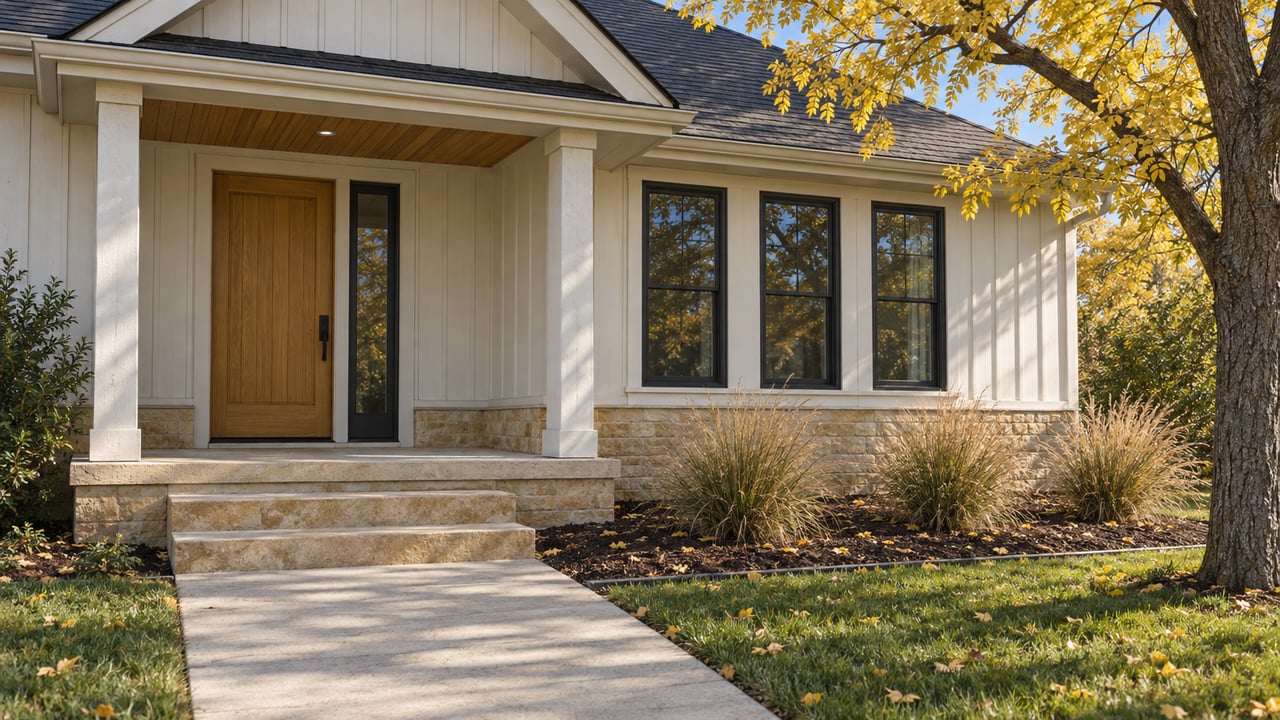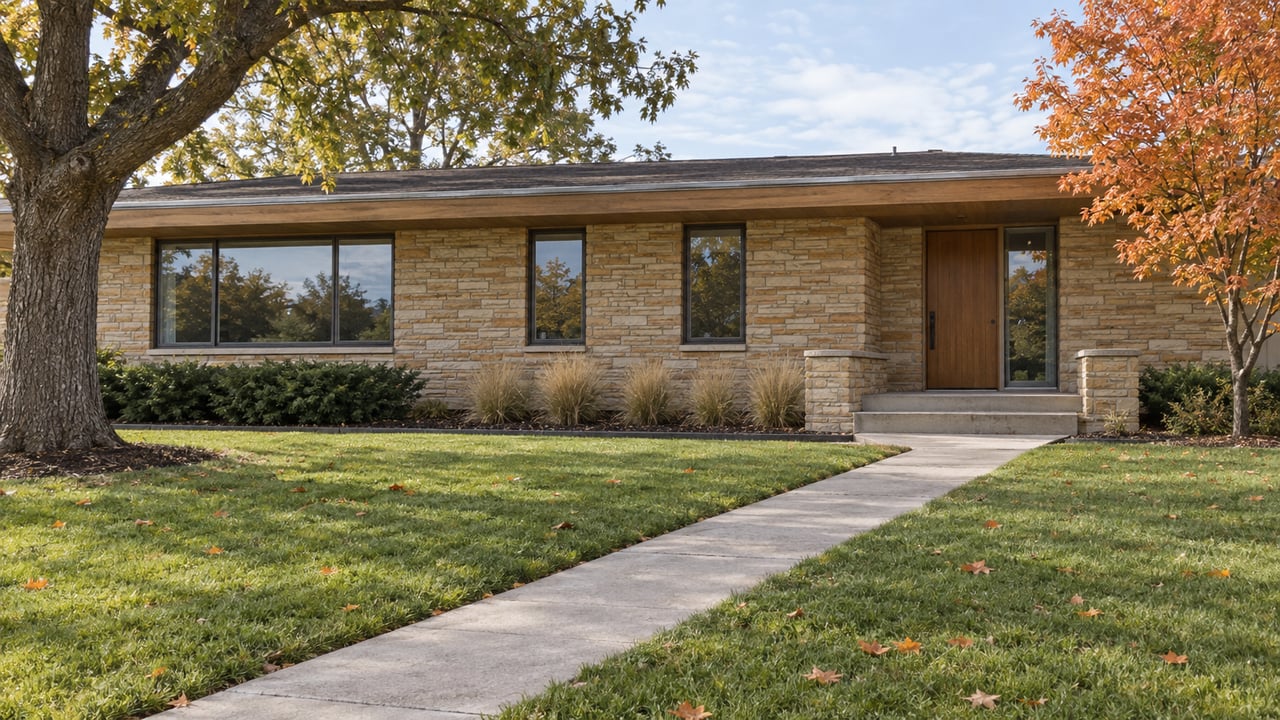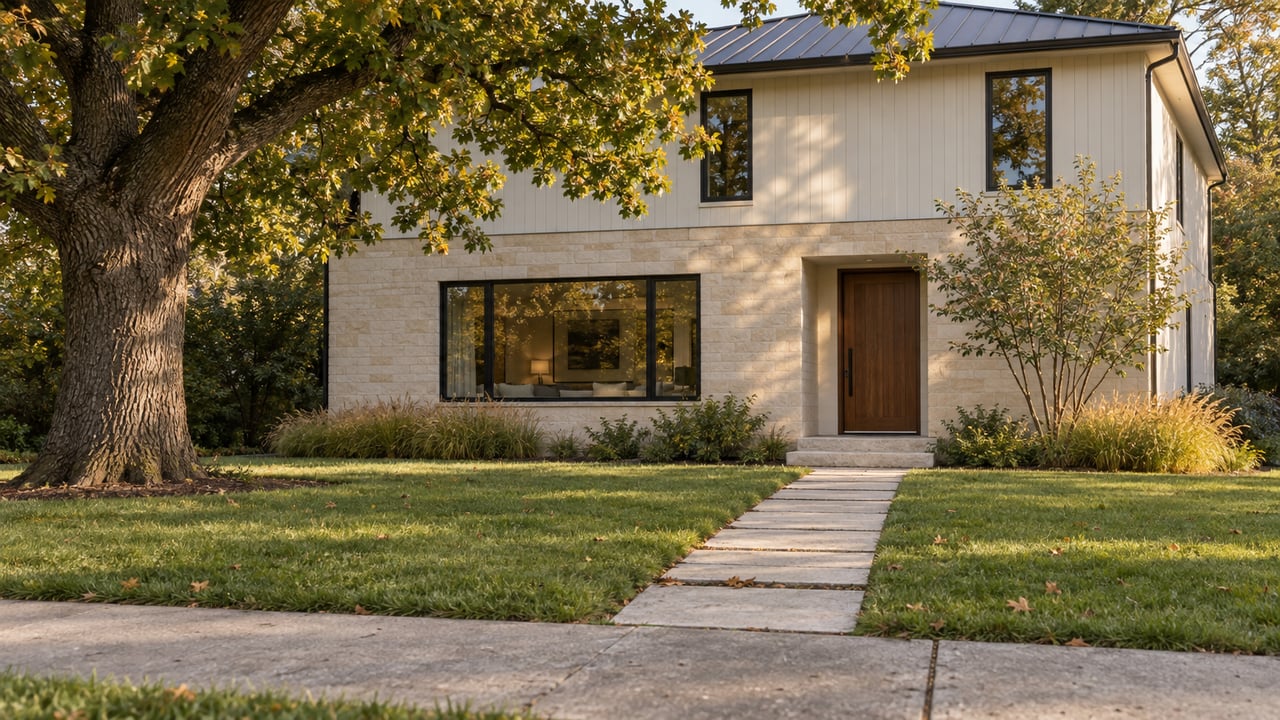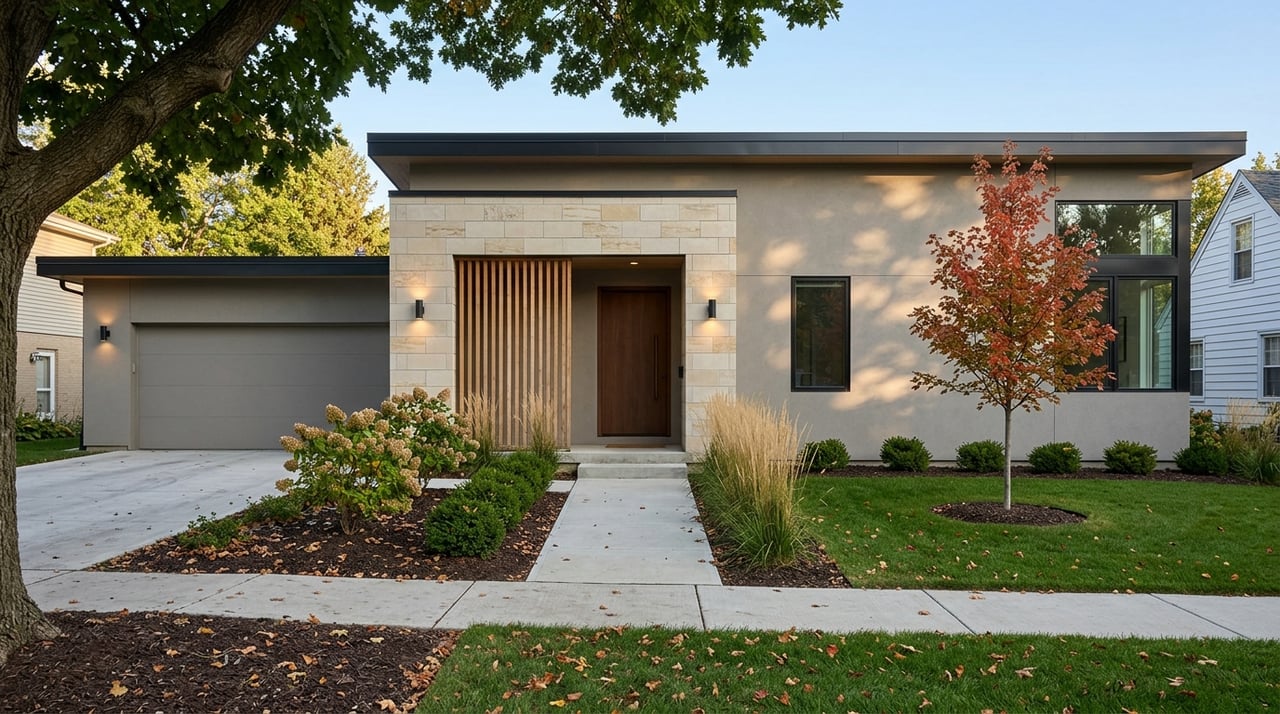
Choosing between Bonnie Brae and Belcaro is less about picking the “better” neighborhood and more about finding the right fit for how you want to live. If you are drawn to central Denver and want a neighborhood that feels established, beautiful, and convenient, both deserve a close look. The difference is in the details, and those details can shape your daily routine, your sense of privacy, and the kind of home setting that feels most natural to you. Let’s dive in.
Bonnie Brae vs. Belcaro at a Glance
Bonnie Brae and Belcaro are both well-known central Denver neighborhoods, but they create very different experiences on the ground. Bonnie Brae feels smaller, more intimate, and more centered around a visible neighborhood core. Belcaro feels more spacious, more tucked away, and more estate-like in many of its residential pockets.
If you are trying to narrow the choice, a simple way to think about it is this: Bonnie Brae offers a park-centered neighborhood feel with local conveniences inside the area, while Belcaro offers larger lots, deeper setbacks, and close access to Cherry Creek’s shopping and trail network. That contrast can help you quickly identify which environment better matches your priorities.
Bonnie Brae Feel and Layout
Bonnie Brae is a compact enclave of about 650 homes, bounded by Exposition Avenue, Mississippi Avenue, Steele Street, and University Boulevard. The neighborhood association describes it as a serene residential area with winding, tree-lined streets that wrap around Bonnie Brae Park. That layout gives the neighborhood a distinctive shape and a strong sense of identity.
The street pattern also helps Bonnie Brae feel cohesive. Instead of reading as a collection of separate pockets, it feels like a clearly defined neighborhood with a recognizable center. For many buyers, that creates an immediate sense of place.
Bonnie Brae Has a Neighborhood Core
One of Bonnie Brae’s biggest strengths is how much everyday life can happen within the neighborhood itself. Bonnie Brae Park anchors the area, and the neighborhood also includes the Eugene Field Branch Library on South University. Those features give the area a practical, lived-in quality beyond its residential appeal.
Bonnie Brae also has a true local convenience strip on South University Boulevard. The neighborhood merchant page lists locally owned businesses including Bonnie Brae Ice Cream, Bonnie Brae Liquor, Campus Lounge, and ink! Coffee. If you value being able to handle small errands or grab a coffee without leaving the neighborhood, that is a meaningful advantage.
Bonnie Brae Has Layered Character
Bonnie Brae’s built environment is older and more layered than many nearby areas. The neighborhood notes that it was originally developed more than a century ago and continues to evolve over time. That long history tends to show up in the variety of homes and in the overall streetscape.
Another unusual detail is the Alley Art program, which gives the alleys a handcrafted, resident-made character. It is a small feature, but it reinforces the sense that Bonnie Brae has personality and a neighborhood culture that feels visible day to day.
Belcaro Feel and Layout
Belcaro reads differently from Bonnie Brae right away. Rather than one compact, highly uniform pattern, it feels more like a collection of residential pockets. That gives the neighborhood a quieter, more varied character.
In Belcaro Park, the HOA describes a 1940s- and 1950s-era neighborhood of roughly 192 to 193 homes with a park-like setting, expansive tree canopy, large lots, front yards, and generous setbacks. In Polo Club, private drives add an even more secluded feel. Together, those details make Belcaro feel less like a neighborhood core and more like a refined residential retreat.
Belcaro Feels More Set Back
If privacy and breathing room matter most to you, Belcaro may stand out. Larger lots and deeper setbacks create a more insulated streetscape than you typically find in Bonnie Brae. In some pockets, especially where private drives come into play, the neighborhood can feel especially quiet and tucked away.
This does not mean Belcaro is disconnected from the rest of Denver. It means the residential experience tends to feel calmer and more removed from the street, which can be a strong draw for buyers who want an estate-like setting.
Belcaro Has Strong Architectural Continuity
Belcaro Park is more architecturally controlled in feel. The HOA notes that exterior and footprint changes are reviewed under covenants, and the neighborhood is described as maintaining compatibility with its original architecture. Many of the homes reflect the area’s 1940s and 1950s origins, with a majority of single-story ranch homes in Belcaro Park.
The Phipps Mansion also reinforces Belcaro’s identity as a landmark-rich area with a more formal residential presence. Set on 5.5 acres, it adds to the neighborhood’s estate character and sense of scale.
Street Character and Open Space
Street character matters more than many buyers expect. It shapes how a neighborhood feels when you drive in, walk around, or simply look out your front window.
In Bonnie Brae, Bonnie Brae Boulevard is a designated parkway. City parkway guidance identifies medians, tree lawns, topographic changes, and 20-foot setbacks as character-defining features. Combined with the central park and winding streets, that gives Bonnie Brae a classic, green, visually distinctive profile.
Belcaro’s open feel comes from a different formula. Instead of a central neighborhood core, it relies more on large lots, front yards, mature trees, and generous spacing between homes. The result is less intimate but often more private.
Daily Convenience and Lifestyle Access
Daily convenience is one of the clearest differences between these two neighborhoods. Your ideal choice may come down to whether you want services inside the neighborhood or nearby destination access.
Bonnie Brae for Nearby Errands
Bonnie Brae offers a stronger internal convenience story. The mix of neighborhood-serving businesses on South University Boulevard makes quick stops easier to build into your routine. That can be especially appealing if you like a neighborhood where daily life feels close at hand.
The neighborhood also sits next to Washington Park, which adds another major outdoor amenity nearby. For buyers who want a smaller neighborhood with both local character and practical access to parks and essentials, Bonnie Brae checks important boxes.
Belcaro for Cherry Creek Access
Belcaro’s convenience advantage is different. Rather than relying on an internal retail strip, it benefits from close access to Cherry Creek North and Cherry Creek West. That 16-block district is bounded by University Boulevard and Steele Street and includes more than 75 boutiques, more than 50 restaurants and bars, and more than 175 small businesses.
Belcaro also benefits from access to the Cherry Creek Trail network. City guidance notes a major regional bike path just south along Cherry Creek, and Denver’s Go Speer/Leetsdale report describes the Cherry Creek Trail as a 40-mile multi-use route connecting Downtown Denver and Cherry Creek Reservoir. If your lifestyle includes dining out, boutique shopping, or regular trail use, Belcaro has a compelling edge.
Which Neighborhood May Fit You Best
The best choice depends on what you want your home environment to feel like every day. Both neighborhoods offer mature trees, established residential character, and strong central Denver positioning. The right fit comes down to scale, privacy, and how you prefer to access convenience.
Bonnie Brae May Fit You If
- You want a smaller, more intimate neighborhood
- You like a park-centered setting with a visible neighborhood identity
- You value a local merchant strip for coffee, errands, and casual stops
- You prefer a more traditional residential feel with a clearly defined core
- You appreciate layered character and a neighborhood that continues to evolve
Belcaro May Fit You If
- You want larger lots and deeper setbacks
- You prefer a quieter, more private street pattern
- You are drawn to a more estate-like setting
- You like the idea of residential pockets with a tucked-away feel
- You want easy access to Cherry Creek shopping, dining, and trails
Final Thoughts on Bonnie Brae vs. Belcaro
Bonnie Brae feels like the more neighborhood-core choice. It is compact, recognizable, and supported by a central park and a local merchant strip that make the area feel connected and easy to live in.
Belcaro feels more like quiet luxury. Its larger lots, mature canopy, and more secluded street patterns create a residential experience that feels set back and refined, with Cherry Creek’s retail and trail network close at hand.
If you are weighing Bonnie Brae against Belcaro, the smartest next step is to compare not just homes, but the daily rhythm each neighborhood offers. If you want guidance tailored to your goals in central Denver, Kelli Barton can help you evaluate the options with a local, design-minded perspective.
FAQs
What is the main difference between Bonnie Brae and Belcaro?
- Bonnie Brae generally feels smaller, more centered around a neighborhood core, and more convenient for local errands, while Belcaro generally feels more spacious, private, and estate-like.
Is Bonnie Brae or Belcaro better for walkable daily convenience?
- Bonnie Brae has a stronger internal convenience story because it includes a neighborhood merchant strip on South University Boulevard with locally owned businesses.
Does Belcaro have larger lots than Bonnie Brae?
- Belcaro Park is described by its HOA as having large lots, front yards, and generous setbacks, which supports its more spacious residential feel.
What gives Bonnie Brae its distinct neighborhood character?
- Bonnie Brae’s character comes from its compact layout, winding tree-lined streets, central Bonnie Brae Park, designated parkway features, and long-evolving built environment.
Why do some buyers prefer Belcaro over Bonnie Brae?
- Some buyers prefer Belcaro for its quieter street pattern, deeper setbacks, larger-lot feel, and convenient access to Cherry Creek shopping, dining, and the regional trail network.