Wondering whether a Denver Country Club home will feel like a dream find or a future project list? In this part of central Denver, the answer often depends on what you notice before you fall in love with the facade. If you are planning to tour in 80218, it helps to understand the district’s historic context, preservation rules, and inspection priorities so you can compare homes with confidence. Let’s dive in.
Denver Country Club at a glance
Denver Country Club is not a typical neighborhood with repeating floor plans and predictable lots. It is a historic residential district shaped largely between 1902 and 1945, with many architect-designed homes and the 1902 Denver Country Club and golf course along Cherry Creek.
The district was officially designated in 1990, and that historic status matters for buyers. It can affect what you may be able to change on the exterior, how site work is reviewed, and how you should evaluate a home during the touring stage.
What homes look like here
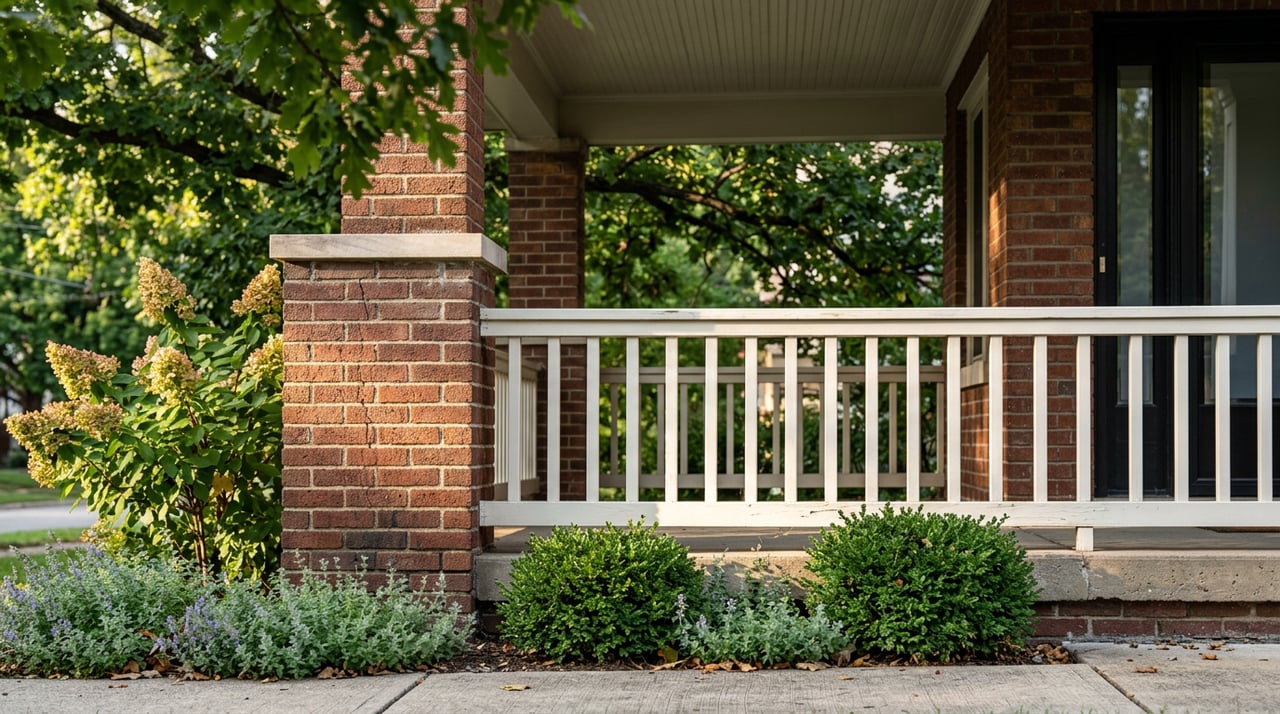
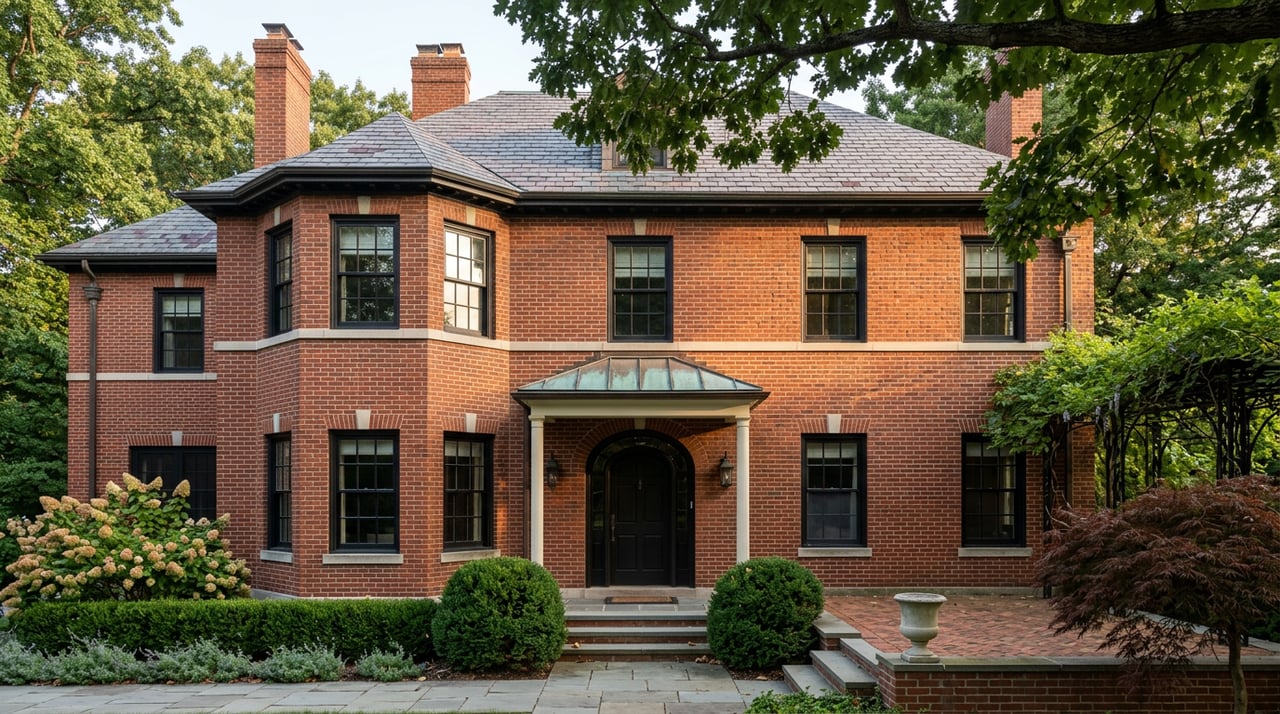
As you tour, expect large single-family homes with distinct architecture, not a uniform streetscape. Historic records identify work by notable architects including William E. and Arthur A. Fisher, John J. Huddart, Frank Frewen, Ernest and Lester Varian, and Merrill and Burnham Hoyt.
You may also notice more than one architectural style and period. Preservation materials point to revival-style homes in the area, including Tudor Revival examples, which is a useful reminder that Denver Country Club has variety within its historic character.
That variety is part of the appeal, but it also means each house should be assessed on its own terms. A beautifully updated home on one block may have very different approval history, site constraints, or renovation flexibility than another home just a few streets away.
Why historic district status matters
If a home is inside the Country Club historic district, exterior decisions usually carry more weight than buyers expect. Denver reviews exterior alterations, additions, new construction, signs, and non-vegetative site work for properties in historic districts or on designated landmarks.
That means the conversation is not only about the house itself. The garage placement, roofline, visible additions, fencing, and other site elements can all matter when you think about future improvements.
For many buyers, this is the key mindset shift before touring. Instead of asking only, “Do I like this house?” you also want to ask, “How flexible is this property if my plans change later?”
Parkways, tree lawns, and site details
Some streets in and around the district are part of Denver’s designated parkway system. These parkways are intended to preserve a park-like, open character, and tree lawns are considered a character-defining feature.
That detail matters because adjacent property owners maintain those tree lawns, and work in the public right-of-way or parkway setback can require added review. If you are picturing changes to landscaping, driveways, or frontage areas, this is worth flagging early.
In practical terms, a home’s setting may be just as important as its floor plan. A lot that touches a parkway setback or prominent tree lawn may involve extra planning before visible exterior work moves forward.
What to look for during a tour
A first showing is the right time to notice the features that could shape ownership costs and renovation options later. In Denver Country Club, the smartest buyers look beyond finishes and staging.
Check the exterior first
If you are thinking about remodeling after closing, start with the visible exterior. Denver’s preservation process can apply to roofing, siding, additions, windows, fences, garages, and other changes that affect how the property appears from the street.
Even relatively straightforward work may not follow the standard quick-permit path. Denver states that roofing and siding work on historic-district properties must be approved first, and roof permits and other exterior quick permits in historic districts cannot be issued through the normal online quick-permit route.
Notice garages and drive access
If a garage feels undersized or you are already imagining a larger one, take a closer look at the lot layout. For garage projects, driveway changes, or curb cuts, Denver says transportation engineers may review nearby sidewalks, curb ramps, and alleys.
Trees can also matter. Trees in the public right-of-way, or protected trees in setback areas, may require coordination with the city forester.
Look at fences, windows, and materials
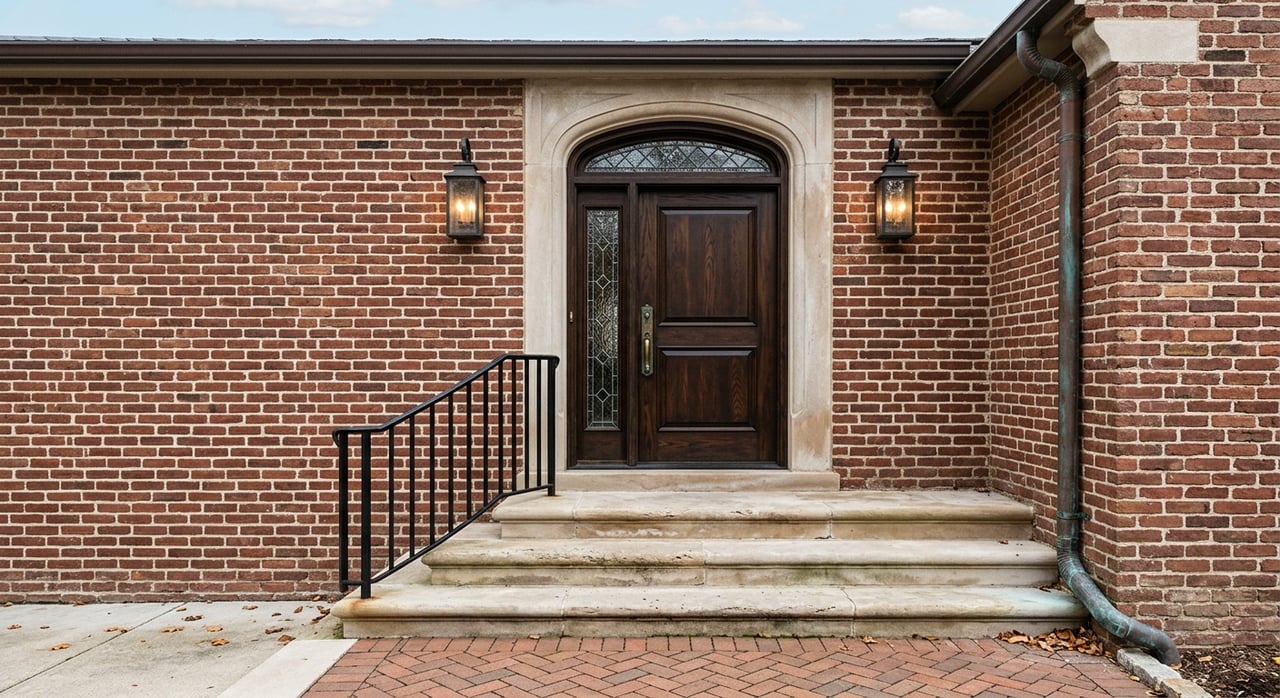
Landmark review can be highly detailed in this district. In a 2024 Country Club case, the Landmark Preservation Commission conditioned approval on specific items such as brick finish, stucco thickness, divided-light window standards, and a four-foot limit on front-yard fencing.
That example is useful because it shows how carefully visible design elements may be reviewed. If you are buying with plans to “just update the outside later,” it is wise to treat that as a research item, not an assumption.
Ask these questions before a second showing
A second showing is often the right time to get more specific. Before you move too far along, try to answer these questions:
- Is the home inside the Country Club historic district, or just nearby?
- Has any roof, window, garage, fence, or addition work already been approved?
- Does the lot involve a parkway setback or tree lawn?
- Are there protected trees or site constraints that could affect future plans?
- Would it help to bring in an inspector, contractor, or architect for a second look?
These questions help you compare homes on equal terms. A property that needs little visible exterior work may be very different from one that seems “full of potential” but comes with more review layers.
Permit history matters more than you think
In Denver Country Club, past work should never be taken at face value. When Landmark Preservation approves a project, it issues a Certificate of Appropriateness, and the approved plans must match the materials submitted for building or zoning permits.
Denver’s application materials also note that changes to approved materials can trigger additional review. For you as a buyer, that means permit and approval history is not just paperwork. It is a roadmap for understanding what was allowed, what was built, and whether a future phase would likely need fresh review.
Inspection priorities for older homes
Many homes you tour here are older, and older homes deserve careful due diligence. A general home inspection is a strong starting point, and attending the inspection can help you ask follow-up questions while there is still time to negotiate or investigate further.
It is also smart to budget for ongoing maintenance and future repairs. Ownership costs can include everything from minor upkeep to major systems and envelope work, so the true cost of a home is larger than the purchase price alone.
Radon testing in Denver homes
Colorado health officials encourage radon testing during the inspection phase of a real estate transaction. Radon is common in Colorado and can only be identified through testing.
For buyers touring older homes in Denver Country Club, a radon test should feel like a standard part of the inspection conversation. A well-kept appearance does not rule it out.
Lead-based paint disclosures
Because many homes in this district date to the early 20th century, lead-based paint disclosure rules are especially relevant. Buyers of most housing built before 1978 have the right to know whether known lead-based paint hazards exist before signing.
If you are touring an older property, ask clear questions early and review disclosures carefully. It is a simple step that supports a more informed decision.
When to bring in specialists
A general inspector may recommend additional experts depending on what they find. In a neighborhood with older, architecturally significant homes, that can include specialists for roofing, waterproofing, plumbing, electrical, HVAC, drainage, or the exterior envelope.
This matters even more if you are considering exterior updates after closing. In a historic setting, repair scope and permit scope can overlap, so early expert input can save time and help you plan realistically.
How to think about renovation potential
Buyers are often drawn to Denver Country Club for its scale, architecture, and setting. That appeal is real, but renovation potential should be judged through a preservation-aware lens.
The best rule of thumb is simple: think about the exterior first. Visible changes are often the items most likely to trigger review, while interior work and site planning may still need coordination with the city depending on the project.
If you love the location but know you will want changes, raise those questions before the offer stage. It is much easier to evaluate a home honestly now than to discover later that the changes you imagined require a more detailed process than expected.
Touring with a smarter checklist
Before you schedule showings, it helps to define your priorities. Are you looking for a move-in-ready historic home, or are you comfortable taking on a property that may need more planning and approvals over time?
As you compare options, focus on four things:
- Historic district status
- Exterior condition and visible prior updates
- Lot and site constraints, including parkway features or trees
- Inspection and specialist follow-up needs
That checklist can keep emotion from outrunning strategy. In a neighborhood this special, having the right context helps you appreciate the beauty of the homes while staying grounded in the practical side of ownership.
If you want help evaluating Denver Country Club homes with a careful eye for architecture, condition, and long-term flexibility, connect with Kelli Barton. You will get thoughtful guidance, local insight, and a concierge-level approach from the first tour to the closing table.
FAQs
What should buyers know before touring homes in Denver Country Club?
- Buyers should understand whether a home is inside the historic district, what exterior changes may require review, and whether the lot includes parkway or tree-lawn considerations.
Why does historic district status matter for Denver Country Club homes?
- Historic district status can affect approvals for exterior alterations, additions, roofing, siding, fences, garages, and certain site work.
What types of homes are common in Denver Country Club?
- Buyers will typically see large, architect-designed single-family homes from the early 20th century, with a mix of historic styles rather than a uniform subdivision layout.
Should buyers inspect older homes differently in Denver Country Club?
- Yes. A general home inspection is important, and buyers should also consider radon testing, lead-based paint disclosures for older homes, and specialist inspections if concerns appear.
What questions should buyers ask before making an offer in Denver Country Club?
- Buyers should ask about historic district location, permit and approval history, prior exterior work, lot constraints, and whether a second showing with an inspector, contractor, or architect would be helpful.
Can buyers renovate a home after closing in Denver Country Club?
- Possibly, but visible exterior changes often receive the closest review, so it is best to evaluate renovation goals early and confirm what approvals may be required.