Wondering what day-to-day life really feels like in a Cheesman Park high-rise? If you are weighing a condo or penthouse near the park, you are probably thinking beyond square footage and finishes. You want to know how the building, the park, and the surrounding culture fit together. This guide walks you through the amenities, routines, and trade-offs that shape high-rise living in Cheesman Park. Let’s dive in.
Why Cheesman Park Feels Distinct
Cheesman Park centers around one of Denver’s defining open spaces. According to Denver Public Library’s neighborhood history, the park spans about 80.7 acres and is framed by Humboldt Street, Race Street and the Denver Botanic Gardens, 13th Avenue, and 8th Avenue.
Its original 1898 design by Reinhard Schuetze included a figure-8 roadway, a pavilion, a reflecting pool, and a Japanese garden. The design also emphasized short interior views and longer views toward the Rocky Mountains, which still shapes how the park feels today.
That setting matters when you live nearby in a taller building. Instead of a purely dense urban experience, you get a home base that feels connected to greenery, open sky, and historic character.
High-Rise Options Near the Park
Cheesman Park is not defined by just one housing type. The city’s East Central Area Plan describes the broader area as a place with diverse housing options that still maintain historic character.
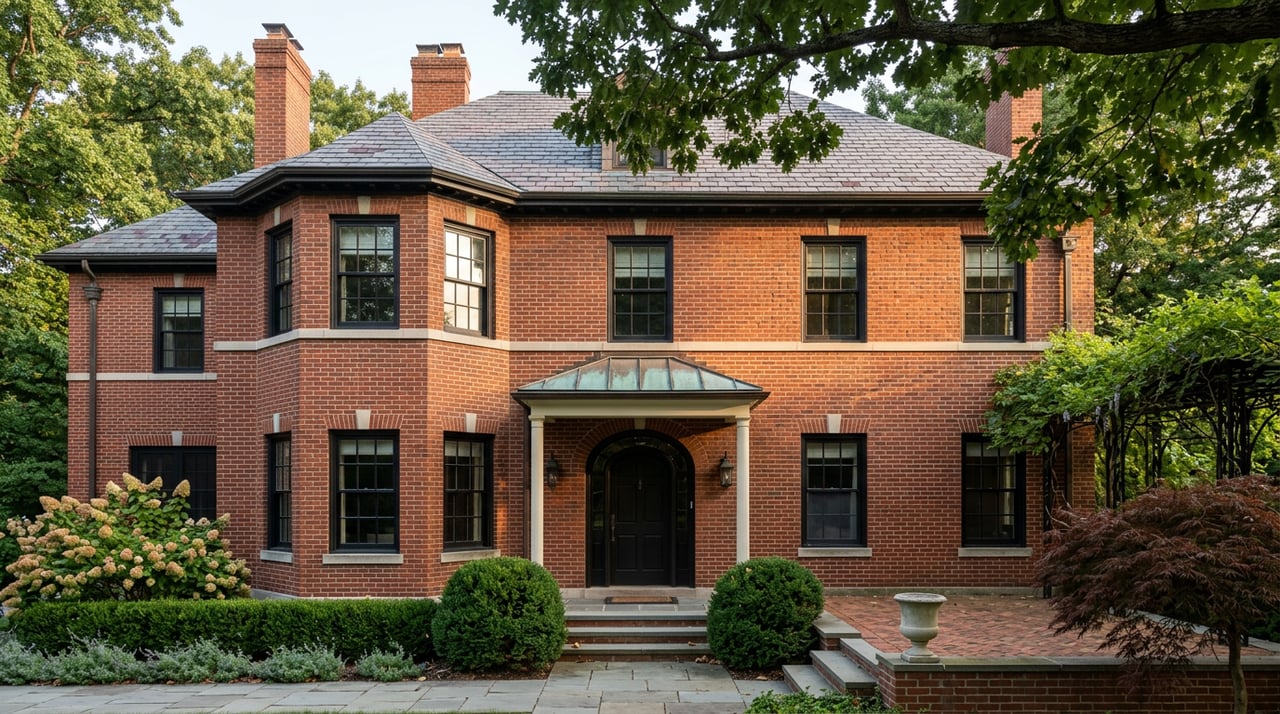
In practical terms, that means you will see a mix of historic homes, apartments, condos, and higher-density residences. For buyers, that creates a neighborhood where a high-rise can feel integrated into the area rather than set apart from it.
This mix also helps explain the range of buyer appeal. Some people are drawn to the ease of a lock-and-leave condo, while others want the design, views, and service level that can come with a full-service building.
What Amenities High-Rise Buildings Often Offer
In and around Cheesman Park, high-rise amenities tend to follow a clear pattern. Representative area buildings commonly advertise features such as elevators, rooftop decks or lounges, fitness centers, co-working or resident lounges, package rooms, underground parking, bike storage, pet-wash stations, BBQ or firepit areas, and direct access to the park.
Many also highlight city or mountain views. In a neighborhood where outdoor space is a major draw, those shared amenities often act as an extension of your home.
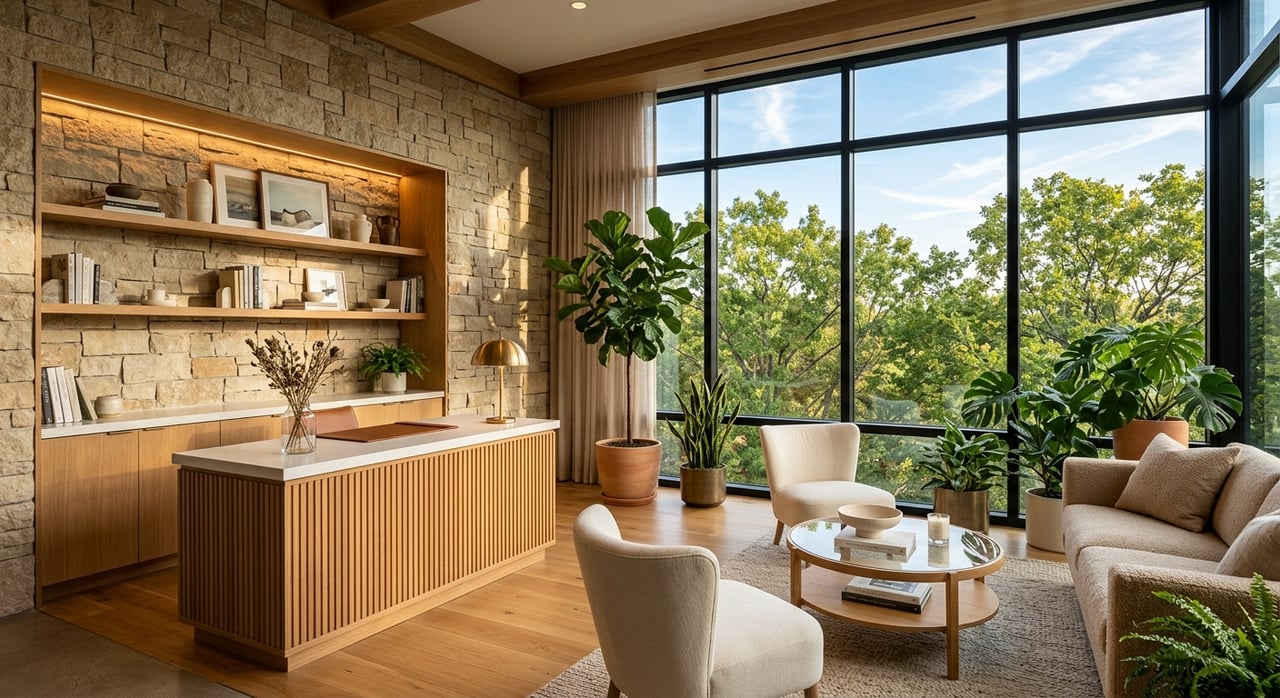
At the more full-service end of the market, some buildings also offer front-desk security, on-site management, engineering staff, outdoor pools, club rooms, guest suite access, storage, assigned parking, and trash valet. In select residences, features may include expansive glass, large terraces, and layouts designed to maximize park, skyline, or mountain views.
How Amenities Shape Daily Life
The biggest shift in high-rise living is how your building supports everyday routines. Instead of maintaining a private yard or large exterior space, you may rely on shared spaces that are professionally managed.
That can make daily life feel simpler and more flexible. You might start the morning with a workout in the building gym, take a walk through Cheesman Park, and end the day on a rooftop lounge with mountain views.
For many buyers, that convenience is part of the appeal. Shared amenities can offer the function of a larger property without the same level of personal upkeep.
Park-Centered Routines in Cheesman Park
Life here often revolves around the park itself. Denver Public Library notes that the Cheesman Memorial Pavilion has long served as a picnic spot and art venue, which adds to the neighborhood’s long-standing public life.
Because the park remains active and central, it often becomes part of your normal weekly rhythm. A walk, a casual meetup, or quiet time outdoors can feel less like a planned event and more like an easy extension of home.
Cheesman Park also has internal roads that still allow cars, which gives it a different feel from a fully car-free urban park. For some residents, that means a balance between accessibility and green-space living.
Denver Botanic Gardens as a Nearby Perk
One of the standout advantages of this location is how close you are to Denver Botanic Gardens. The Gardens note that there is a secondary entrance through the Cheesman Park gate on the west side, which can make visits feel especially convenient for nearby residents.
The Gardens also host summer concerts with first-come, first-served seating on grassy slopes. That creates an easy path to adding cultural events into an ordinary weeknight or weekend.
There is also a community garden program created to give Congress and Cheesman Park neighbors a place to grow food and engage with the Gardens. The program includes 89 plots maintained by families and community members.
For members, the experience can become even more routine. Membership includes access through the Cheesman Gate during general admission hours, along with discounts at the Gardens’ cafés, shop, and partner businesses.
Entertaining at Home Feels Different Here
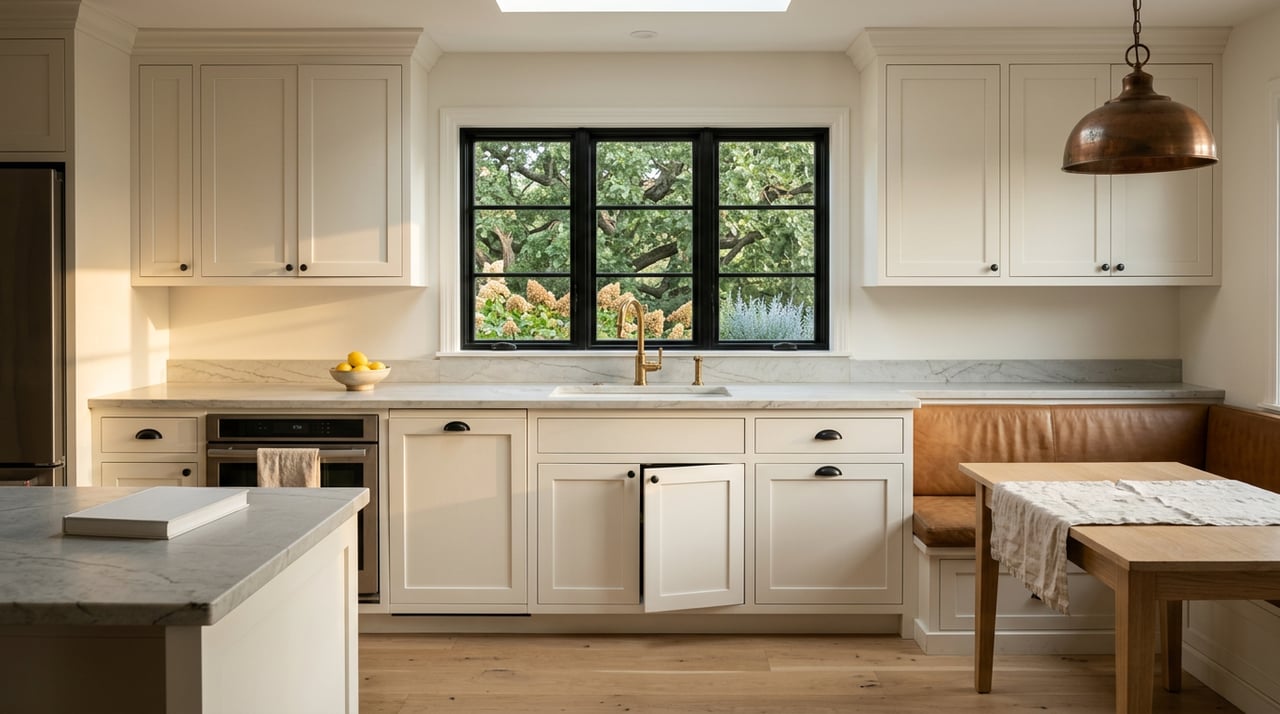
High-rise living in Cheesman Park can work especially well if you like to host in a more relaxed, design-forward way. Area properties often market large balconies, open-concept layouts, rooftop decks, community rooms, and indoor-outdoor spaces.
That setup gives you options. You may have a smaller private outdoor footprint than a detached home, but you often gain access to spaces that are easier to enjoy and maintain.
It also changes how entertaining feels. A dinner at home, drinks on a terrace, or a casual gathering on a shared rooftop can all be part of the same lifestyle.
Culture and City Access Nearby
Cheesman Park is well positioned for buyers who want cultural amenities close to home. The East Central Area Plan identifies the Denver Botanic Gardens, Denver Museum of Nature & Science, the zoo, and several theaters as signature attractions in the broader area.
The Clyfford Still Museum is in the Golden Triangle at 13th and Bannock, near the Denver Art Museum, History Colorado Center, Civic Center Park, and other civic institutions. The Denver Museum of Nature & Science is located at 2001 Colorado Boulevard.
For you as a resident, that means museum visits, performances, and civic spaces can fit into everyday life more easily. Instead of planning a major cross-town outing, you may find that culture feels closer at hand.
The Main Trade-Offs to Consider
A high-rise near Cheesman Park can offer ease, views, and strong amenities, but it also comes with shared costs and building governance. That is one of the biggest differences from owning a detached home.
Colorado’s Division of Real Estate explains that common-interest communities charge regular assessments for operating costs and may also impose special assessments for major repairs, reserves, or unexpected expenses. Those costs are important to review carefully before you buy.
You will also want to understand how the building operates day to day. The right fit depends on whether the building’s rules, services, and financial structure align with how you want to live.
What to Review Before You Buy
When comparing high-rise options in Cheesman Park, focus on both the residence and the building behind it. A polished lobby or great view matters, but so do the practical details.
Key questions to review include:
- What are the monthly dues, and what do they cover?
- Are there any planned or possible special assessments?
- How do parking and storage work?
- Is guest parking available?
- What are the pet policies?
- What is the condition of the elevators and shared systems?
- How are reserves funded?
- What level of management or front-desk service does the building provide?
These details often shape your day-to-day experience as much as the floor plan itself. A building that looks appealing on paper can feel very different once you factor in service level, policies, and long-term costs.
Who High-Rise Living May Suit Best
Cheesman Park high-rise living can be a strong match if you value location, lower exterior maintenance, and access to shared amenities. It may also appeal if you want a home that supports a lock-and-leave lifestyle without giving up access to park space and central Denver culture.
For some buyers, the draw is the chance to pair architecture and views with convenience. For others, it is the ability to live near one of Denver’s most recognizable parks while keeping daily routines simple.
If that balance sounds right to you, Cheesman Park is worth a serious look. The neighborhood offers a distinctive combination of historic context, open space, and full-service urban living that can be hard to replicate elsewhere in central Denver.
If you are considering a condo, penthouse, or park-adjacent home in Cheesman Park, working with a local expert can help you compare buildings, evaluate trade-offs, and find the right fit for your lifestyle. Connect with Kelli Barton for a tailored, concierge-level approach to your Denver home search.
FAQs
What is high-rise living like in Cheesman Park, Denver?
- High-rise living in Cheesman Park often blends shared building amenities, park access, and close proximity to cultural destinations in central Denver.
What amenities do Cheesman Park high-rise buildings usually offer?
- Common amenities in area buildings include elevators, rooftop decks or lounges, fitness centers, package rooms, parking, bike storage, pet-wash areas, and resident gathering spaces.
What makes Cheesman Park different from other central Denver neighborhoods?
- Cheesman Park stands out for its large historic park, mountain-view orientation, mix of housing types, and access to Denver Botanic Gardens and nearby cultural institutions.
What should buyers review before purchasing a Cheesman Park condo?
- Buyers should review monthly dues, potential special assessments, parking, storage, pet policies, reserve funding, elevator condition, and the building’s management structure.
Is Cheesman Park a good fit for buyers who want a low-maintenance home?
- It can be a strong fit if you want less exterior upkeep and value shared amenities, though you will want to weigh that against association costs and building rules.